

Zinc Dosage for Sperm Production Reference
While the baseline dietary target for adult men is 11 mg of zinc per day, clinical studies on male reproductive parameters have tested doses ranging from 15 mg to over 200 mg daily, though the tolerable upper limit remains strictly at 40 mg per day without medical supervision. That range doesn't identify a magic dose for sperm production, it shows how differently researchers have approached zinc supplementation.
The popular advice is simple: take more zinc and expect better sperm. The evidence is not. Zinc plays an important role in normal reproductive function, but the response depends on baseline nutritional status, the dose used, the study population, and the outcome being measured. A dose that appears in a fertility protocol isn't automatically appropriate for everyday use, and an improvement in one semen parameter doesn't necessarily translate into a meaningful reproductive outcome.
Table of Contents
- Introduction to Zinc and Male Reproductive Health
- Biological Mechanisms and Clinical Realities
- Categorizing Zinc Dosages in Research Protocols
- Detailed Reference Table of Study Doses and Outcomes
- Safety Thresholds and Copper Co-Nutrient Requirements
- Timing, Absorption, and Synergistic Ingredients
- Practical Scenarios for Men's Wellness Goals
- Quick Reference Guide and Regulatory Disclaimer
Introduction to Zinc and Male Reproductive Health
The search for the ideal zinc dosage for sperm production assumes that one number should work for every man. Clinical evidence points in the opposite direction. Research has used doses ranging from nutritional levels to medicinal protocols far above ordinary dietary intake, while safety guidance sets a firm boundary that matters more than marketing claims.
For adult men, the baseline zinc target is 11 mg per day, and the tolerable upper intake level is 40 mg per day from all sources, according to the National Institutes of Health zinc fact sheet for health professionals. “All sources” includes food, multivitamins, single-nutrient supplements, and combination fertility products. A man taking several products can exceed the limit without realizing that the doses accumulate.
The upper limit exists because zinc is not harmless at high intake. Long-term intake above that level can contribute to copper deficiency, so fertility-focused dosing should remain within a monitored range unless a clinician is supervising the plan. This is particularly important when a product label lists elemental zinc separately from the weight of the entire zinc compound.
Why the number on the label needs context
Zinc is a nutrient required for normal function, not a guaranteed fertility fix. A man with inadequate intake may have a different response from a man whose diet already supplies sufficient zinc. The relevant question is therefore not just how much zinc a study used, but whether the study population resembled the individual considering supplementation.
A practical overview of zinc's broader role in the body is available in this guide to the zinc role in the body. It should be read alongside, not instead of, a clinician's assessment when semen results are abnormal or conception has been difficult.
The central conclusion is restrained but useful: zinc may support normal reproductive biology, especially when inadequate status is part of the picture, yet higher intake doesn't guarantee better semen quality. The safest interpretation starts with nutritional adequacy and ends with dose monitoring.
Biological Mechanisms and Clinical Realities
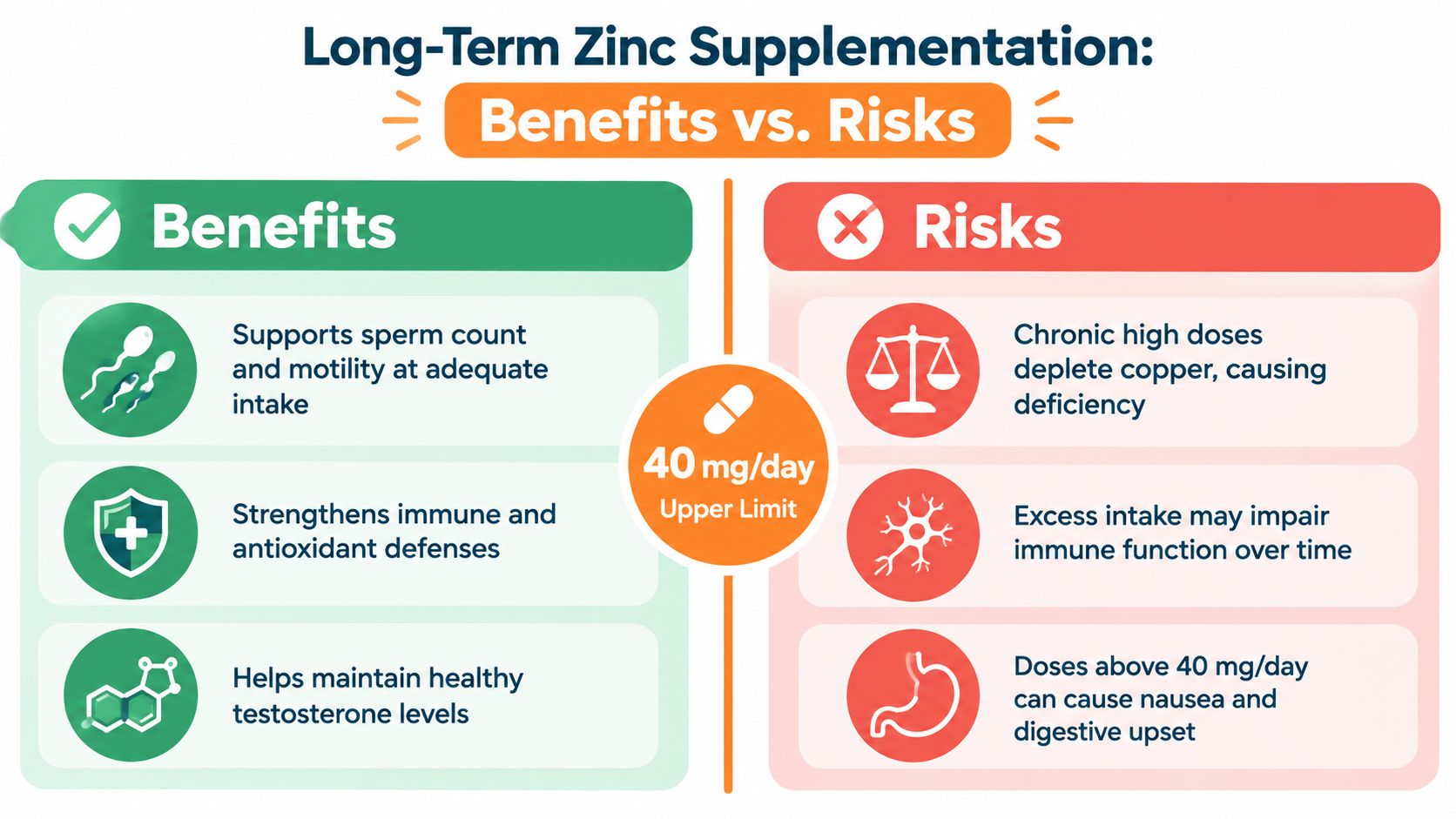
Zinc participates in several processes that matter to male reproductive health. It supports spermatogenesis, the integrity of seminal plasma, and normal sperm function. Deficiency has been associated with impaired sperm production, abnormal morphology, and lower testosterone, while controlled laboratory data suggest that low micromolar zinc concentrations can support sperm hyperactivated motility during capacitation, as described in this review of zinc and male reproductive function.
That mechanism explains why zinc appears frequently in male wellness formulas. It doesn't prove that adding zinc to an already adequate diet will improve every semen analysis. Nutrients can be essential for a biological process without producing an extra measurable benefit when the body's requirement is already met.
Mechanism versus measured outcome
Meta-analytic evidence in infertile men has reported improvements in semen volume, motility, and normal morphology, but it hasn't consistently shown increases in sperm count, concentration, or viability. That pattern is revealing. Zinc may function more like a deficiency-correction and cellular-support nutrient than a universal sperm-count booster.
The strongest counterweight to mechanistic optimism is a large randomized trial. The study tested a daily combination of zinc and folic acid against placebo, rather than relying on before-and-after comparisons. It found no significant improvement across the principal semen-quality measures, which means a plausible biological mechanism didn't automatically produce a measurable clinical advantage.
Clinical reading: A nutrient can be essential to sperm biology and still fail to improve semen parameters when supplied to men who aren't demonstrably deficient.
This distinction protects readers from two opposite errors. Dismissing zinc entirely ignores its role in normal reproductive function. Treating high-dose zinc as a guaranteed intervention ignores the difference between correcting insufficiency and pushing intake above physiological needs.
Categorizing Zinc Dosages in Research Protocols
Research protocols are easier to interpret when doses are placed into categories rather than treated as interchangeable. The first category is nutritional support, centered on the adult male target of 11 mg per day. That figure describes usual daily intake needs, not a fertility treatment dose, and it includes the context of the total diet.
A second category covers moderate supplementation used in reproductive studies. One large trial used 30 mg of elemental zinc daily alongside folic acid. That amount sits below the adult upper limit when considered alone, but a complete intake calculation still needs to include dietary zinc and other supplements.
The third category contains high-dose clinical or historical protocols. A review of research reported zinc doses from 15 to 220 mg per day, while older studies commonly used zinc sulfate regimens equivalent to substantially more than everyday dietary intake. The chemical form also matters for label interpretation. Zinc sulfate may be listed by compound weight, whereas safety calculations should focus on elemental zinc.
What the historical results actually show
A 2018 meta-analysis of three studies examined supplementation ranging from 66 to 500 mg per day for three to six months. It reported an improvement in sperm concentration of 1.48 × 10^6 sperm/mL and total motility of 7.03 percentage points, with P < 0.001 for both findings, according to the meta-analysis of zinc supplementation and semen parameters.
Those results shouldn't be converted into a universal recommendation. The dose range was wide, the studies were limited in number, and other reviews have reported mixed outcomes. Some historical research described increases in semen volume, sperm count, or motility, while other datasets found no significant effect on viability, concentration, count, or abnormal morphology.
The useful comparison
| Category | What it represents | Appropriate interpretation |
|---|---|---|
| Nutritional target | Adequate daily intake for adult men | A baseline requirement, not a guaranteed fertility intervention |
| Moderate research dose | A dose used in selected clinical studies | Requires review of total intake and the study population |
| High-dose protocol | Doses used in some historical or clinical research | Not a general recommendation and may exceed safety limits |
| Elemental zinc | The actual zinc contribution from a compound | The figure that matters for total daily intake |
The apparent contradiction in zinc research becomes less confusing when dose, baseline status, and study design are considered together. A high-dose result from a small or selected study cannot override the safety ceiling or establish that every man needs the same protocol.
Detailed Reference Table of Study Doses and Outcomes
A dose table is useful only when it separates experimental exposure from a reasonable daily intake. Research protocols may test amounts above the everyday safety boundary, so a reported dose is evidence about a study design, not an automatic treatment plan.
| Dosage tier | Elemental zinc dose | Study duration | What the protocol or analysis showed |
|---|---|---|---|
| Baseline nutritional target | 11 mg/day | Not applicable | Adult male daily target established in the introduction, not a fertility trial dose, as described in the NIH zinc guidance |
| Large randomized trial | 30 mg/day, combined with 5 mg folic acid | 6 months | No significant difference versus placebo in sperm concentration, motility, morphology, semen volume, or total sperm count |
| Meta-analysis range | 66 to 500 mg/day | 3 to 6 months | The analyzed studies reported an improvement in sperm concentration and total motility, although protocols and participant characteristics varied |
| Historical zinc protocols | Around 100 mg/day in some zinc sulfate regimens | 1 to 4 months | Some studies reported higher semen volume, sperm count, or motility, while other reviews found mixed or null outcomes |
| Upper intake boundary | 40 mg/day from all sources | Ongoing safety threshold | Sustained intake above this boundary can increase the risk of copper deficiency |
Formulation adds another layer of variation. Historical protocols often used zinc sulfate, while other products may use a different zinc compound. The label's compound weight does not necessarily equal its elemental zinc content, so comparisons should be based on elemental zinc rather than the salt name alone.
The randomized trial enrolled 2,370 men in the United States and was designed to detect clinically meaningful differences. Despite its size and six-month follow-up, it found no significant improvement in any measured semen-quality outcome compared with placebo, as reported in the trial summary from the American Academy of Family Physicians. That null result limits the case for treating zinc and folic acid as a broadly effective fertility combination.
How to read conflicting outcomes
Older positive findings are not automatically invalid. Their relevance depends on baseline zinc status, fertility diagnosis, formulation, follow-up period, sample size, and how outcomes were measured. A benefit in men with inadequate zinc intake may not apply to men who already meet nutritional needs.
The evidence therefore does not identify one universal “effective dose.” It covers nutritional targets, moderate supplementation, and research protocols far above the safety boundary. Clinical interpretation must account for the individual's diet, combined supplement intake, and reason for testing. A supplement label cannot establish that a high-dose protocol is appropriate or safe.
Safety Thresholds and Copper Co-Nutrient Requirements
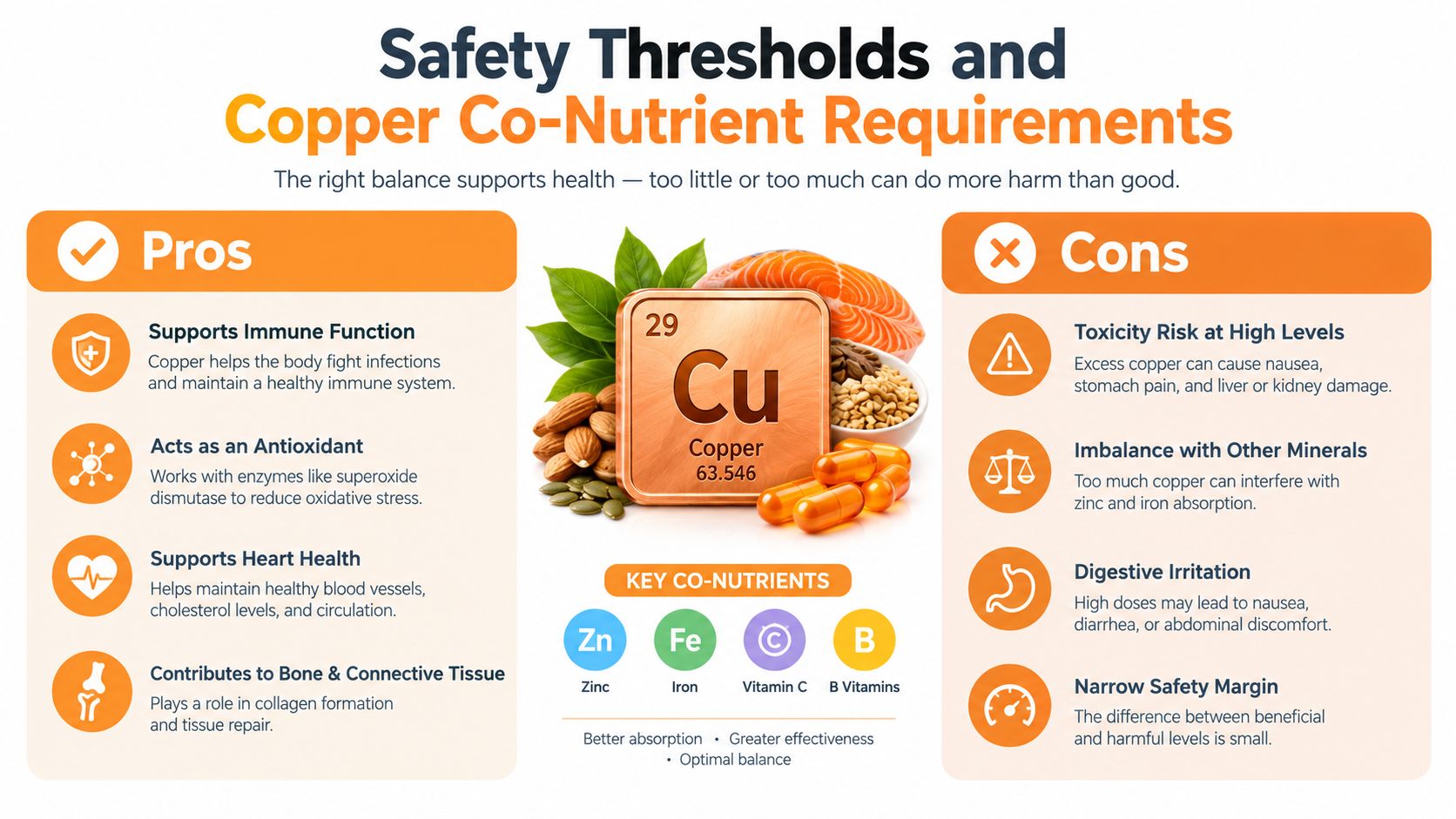
Zinc and copper compete within nutritional balance. The safety concern isn't limited to short-term stomach discomfort. Chronic high zinc intake can contribute to copper deficiency, which is why a fertility protocol above the standard upper limit needs a clear clinical rationale and monitoring plan.
The adult zinc upper limit is 40 mg per day from all sources. Independent summaries also discuss fertility-oriented doses such as 50 mg of elemental zinc twice daily or 60 mg per day, amounts that can exceed the upper limit and may require copper monitoring, as outlined in this clinical zinc safety reference.
Why copper changes the decision
A man may focus on sperm parameters and overlook the broader mineral balance. High zinc intake over time can interfere with copper status, turning an attempt to support reproductive function into a new nutritional problem. The risk is greater when several products contain zinc or when a high-dose regimen continues without reassessment.
A label should therefore be reviewed for three details:
- Elemental zinc: The compound weight isn't the same as the amount of zinc supplied.
- Total daily intake: Food, multivitamins, and combination formulas all count toward the upper limit.
- Duration and supervision: A dose above the limit requires a clinician's reason for using it and a plan for follow-up.
Safety boundary: A fertility-oriented protocol is not automatically a safe long-term wellness dose.
A practical discussion of unwanted effects appears in this guide to zinc supplement side effects. Men with abnormal semen results, chronic illness, medication use, or a planned high-dose regimen should involve a qualified clinician rather than self-managing copper supplementation.
Timing, Absorption, and Synergistic Ingredients
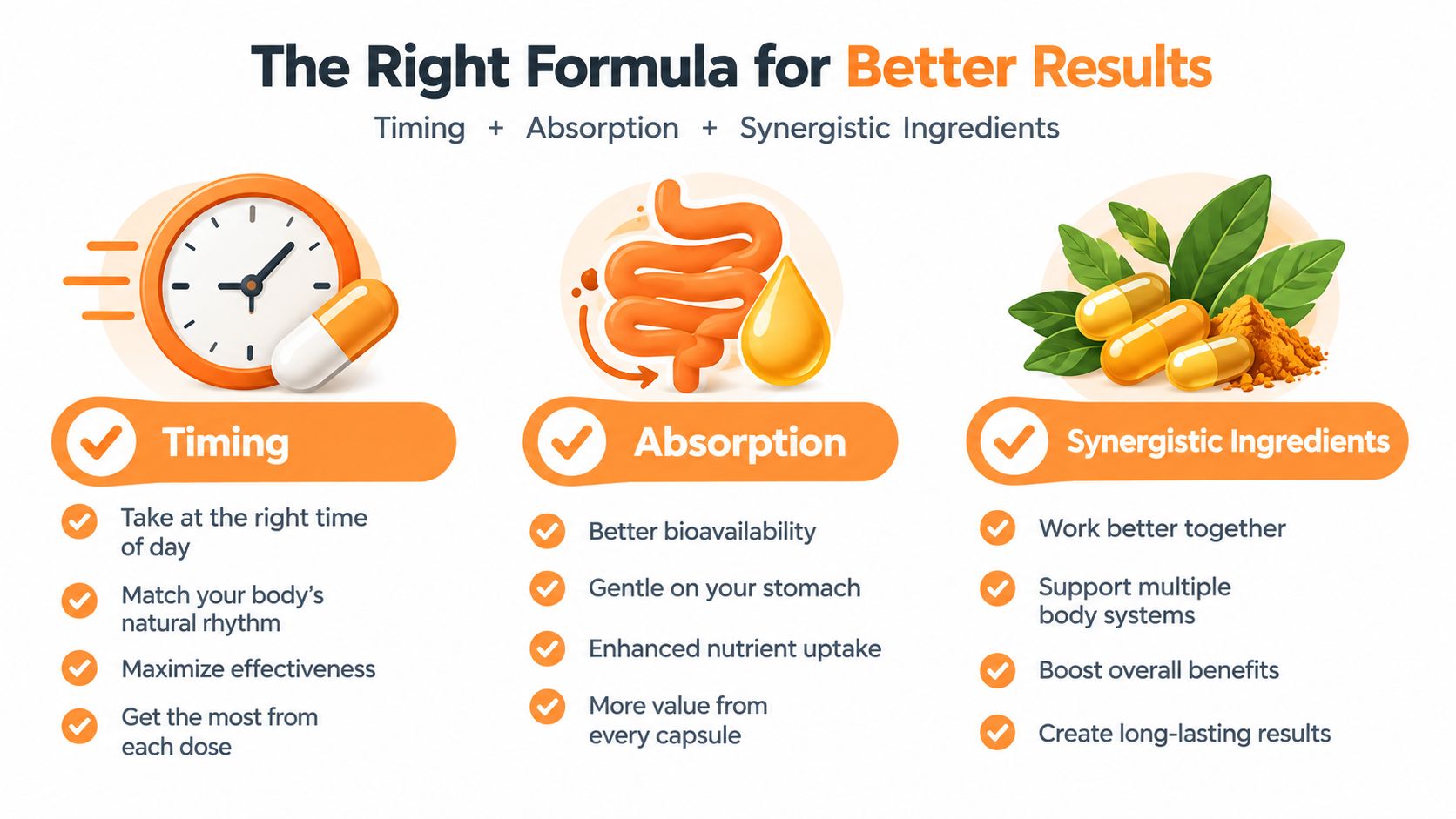
Timing advice often sounds more precise than the evidence allows. There isn't a verified universal schedule that turns zinc into a more effective sperm intervention. The sensible approach is to follow the product label, take the total elemental dose into account, and avoid changing several supplements at once when the purpose is to understand what affects a semen analysis.
Food tolerance matters in daily routines. Some people experience gastrointestinal discomfort from zinc, so a product's instructions may specify whether it should be taken with food. The label and a pharmacist can provide more reliable guidance than a fixed internet rule, particularly when other minerals or medicines are involved.
Building a stack without losing clarity
Men's wellness formulas may combine zinc with ingredients such as L-arginine, maca root, ashwagandha, or other botanical compounds. Their presence doesn't establish that the combination improves sperm production, and it can make the response harder to evaluate. A transparent label should identify the amount of each ingredient rather than hiding doses inside a proprietary blend.
A more disciplined routine has several features:
- One defined purpose: The product is chosen to support a specific wellness objective, not because a longer ingredient list looks more persuasive.
- One recorded dose: Elemental zinc is logged alongside zinc from other products.
- One reassessment plan: A clinician determines whether follow-up testing or a supplement review is appropriate.
- One safety check: Medication interactions, gastrointestinal symptoms, and long-term mineral balance remain part of the decision.
Information about how formulation and delivery can affect supplement bioavailability may help with label literacy, but it shouldn't be used to justify exceeding the upper intake limit. Better absorption doesn't make an excessive dose safer.
Practical Scenarios for Men's Wellness Goals
Consider two men with the same interest in reproductive support but different starting points. The first has a restricted diet and a clinician has identified inadequate zinc status. For him, correcting the nutritional gap may be more rational than copying a high-dose protocol from an older study. The relevant target is restoration of adequacy, followed by review of intake and symptoms, not automatic escalation.
The second man eats a varied diet, has no known deficiency, and wants a supplement because zinc is commonly associated with sperm health. The large randomized evidence does not support assuming that adding zinc will improve his semen parameters. A baseline semen analysis and a review of the full supplement label would provide more useful information than choosing the highest available dose.
A third scenario that exposes the risk
A third man already takes a multivitamin, a men's wellness blend, and a separate zinc product. Each label appears reasonable in isolation, but the combined intake may exceed the adult upper limit. If the stack also continues for an extended period, copper status becomes a relevant safety question.
That scenario illustrates why “clinical dose” and “daily wellness dose” should never be treated as synonyms. Research protocols can be short, selected, and closely observed. Commercial routines often continue indefinitely, sometimes without a defined reason for reassessment.
The decision filter
A practical decision sequence looks like this:
- Establish the starting point. Review diet, existing supplements, medications, and any available semen analysis.
- Identify the objective. Nutritional adequacy and general reproductive support are different goals.
- Choose the narrowest reasonable intervention. A targeted approach creates less uncertainty than stacking multiple products.
- Check the total zinc amount. Elemental zinc from every source belongs in the calculation.
- Set a review point. Continued use without checking the rationale can turn a short experiment into unnecessary chronic exposure.
Practical rule: A higher dose makes sense only when the clinical question, safety plan, and monitoring approach justify it.
Quick Reference Guide and Regulatory Disclaimer
The most defensible answer to the zinc dosage for sperm production question is conditional. Adult men have a baseline target of 11 mg per day, the upper intake level is 40 mg per day from all sources, and clinical studies have tested amounts ranging from 15 mg to 500 mg per day. Those figures describe different contexts, not a dosing ladder that every man should climb.
The large randomized trial using 30 mg of elemental zinc with folic acid found no significant improvement in semen-quality measures versus placebo. Other analyses reported improvements in sperm concentration and motility, while broader reviews found inconsistent effects across count, concentration, viability, and morphology. The evidence therefore supports caution, not a universal high-dose recommendation.
Zinc reference checklist
- Start with adequacy: The adult male target is 11 mg per day from the total diet and supplement routine.
- Respect the ceiling: The adult upper limit is 40 mg per day from all sources.
- Count elemental zinc: Compound weight and elemental zinc aren't interchangeable.
- Treat high doses as clinical decisions: Research doses above the upper limit aren't general wellness instructions.
- Consider copper: Long-term high intake can contribute to copper deficiency.
- Separate mechanism from outcome: Zinc supports normal reproductive biology, but supplementation doesn't guarantee better semen parameters.
- Use testing when concerns persist: A semen analysis can measure concentration, motility, morphology, volume, and total count more reliably than assumptions based on supplement marketing.
U.S. law requires the following two-part disclaimer on labels making dietary-supplement structure/function claims, as explained by the Food and Drug Administration's dietary supplement guidance:
These statements have not been evaluated by the Food and Drug Administration. This product is not intended to diagnose, treat, cure, or prevent any disease.
SEMEX offers a daily men's wellness supplement containing zinc, L-Arginine, Sunflower Lecithin, Bromelain, Maca Root, Panax Ginseng, Ashwagandha, Tongkat Ali, Saw Palmetto, and Horny Goat Weed, with a vegan, non-GMO formula made in the USA and third-party testing by Eurofins. Men evaluating zinc intake alongside a broader semen-volume routine can review the formula and product details at SEMEX.