

Male Anatomy Taint Explained — Location, Function, and Care
What if the body part you've only heard described as a joke is a defined anatomical region with muscles, nerves, and pelvic floor jobs you rely on every day? That's the gap most men run into when they search for male anatomy taint. The slang is familiar, the anatomy isn't, and that mismatch makes normal sensitivity, soreness after a ride, or irritation after shaving harder to interpret than it needs to be.
You don't need a medical degree to understand this area. You need a clear map, a plain explanation of what the tissues do, and a reliable way to separate everyday friction from symptoms that deserve a clinician's attention.
Table of Contents
- What Male Anatomy Taint Actually Means
- Anatomy and Structure of the Perineum
- Functions and Why Sensitivity Varies
- Everyday Causes of Perineal Discomfort
- Hygiene and Daily Care Habits
- Ingredients Men Research for Reproductive Support
- Semen Volume Versus Reproductive Health
- When to See a Clinician and Key Takeaways
What Male Anatomy Taint Actually Means
Taint is slang. The anatomical term is perineum. In men, it's the diamond-shaped region between the external genitalia and anus, described in anatomical research on the male perineum and its divisions as the area between those landmarks rather than a single point or organ.
That distinction matters because a region can contain several structures. Skin is what you see on the surface, but underneath sit muscles, connective tissue, nerves, and blood vessels. When people say the area feels sensitive, tight, sore, or numb, they're often describing more than skin.
A simple way to picture it
Think of the perineum as a small floor with front and back sections. The front is closer to the scrotum and base of the penis. The back is closer to the anus. Between them sits a central anchor point where pelvic floor tissues connect.
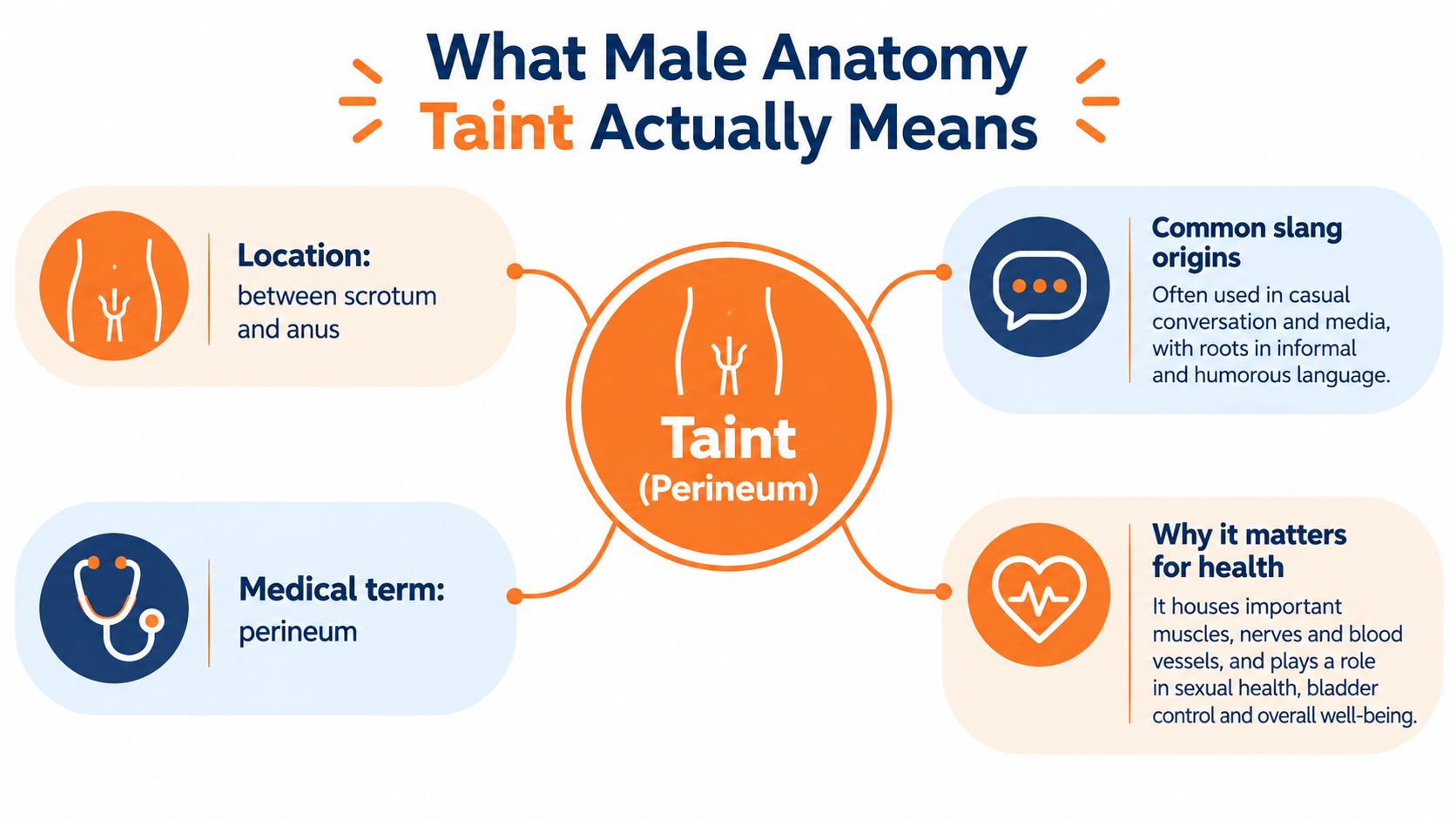
The perineum isn't empty space between two other body parts. It's a working part of the pelvic floor.
That mental picture helps with the rest of male anatomy taint questions. Location explains why a bicycle saddle presses there. Muscle connections explain why tension can affect urination or ejaculation. Nerve supply explains why pressure in one spot can feel like tingling somewhere nearby.
Why the slang creates confusion
Slang names point to location only, and they make the area sound like a narrow strip with no function. Perineum is the better word when you're reading health information, talking to a clinician, or trying to understand symptoms. It connects you to accurate descriptions of pelvic support, continence, and sexual function instead of jokes or vague enhancement claims.
It's also normal for this region to feel different from surrounding skin. Warmth, sweat, hair, friction from clothing, and close contact during sitting all concentrate there. Sensitivity alone isn't a diagnosis. The useful questions are what's changed, how long it's lasted, and whether pain, swelling, discharge, urinary symptoms, or numbness have appeared with it.
Once you replace the nickname with the anatomical name, the topic gets less awkward and more practical. You're not asking about a punchline. You're asking about a real region that helps support your pelvis and deserves the same basic care as any other part of your body.
Anatomy and Structure of the Perineum
Start with the overall shape. The perineum sits between the pubic symphysis in front and the coccyx in back. An imaginary line between the ischial tuberosities, the bony points you sit on, divides it into an anterior urogenital triangle and a posterior anal triangle, as outlined in clinical anatomy of the perineal region and its triangles.
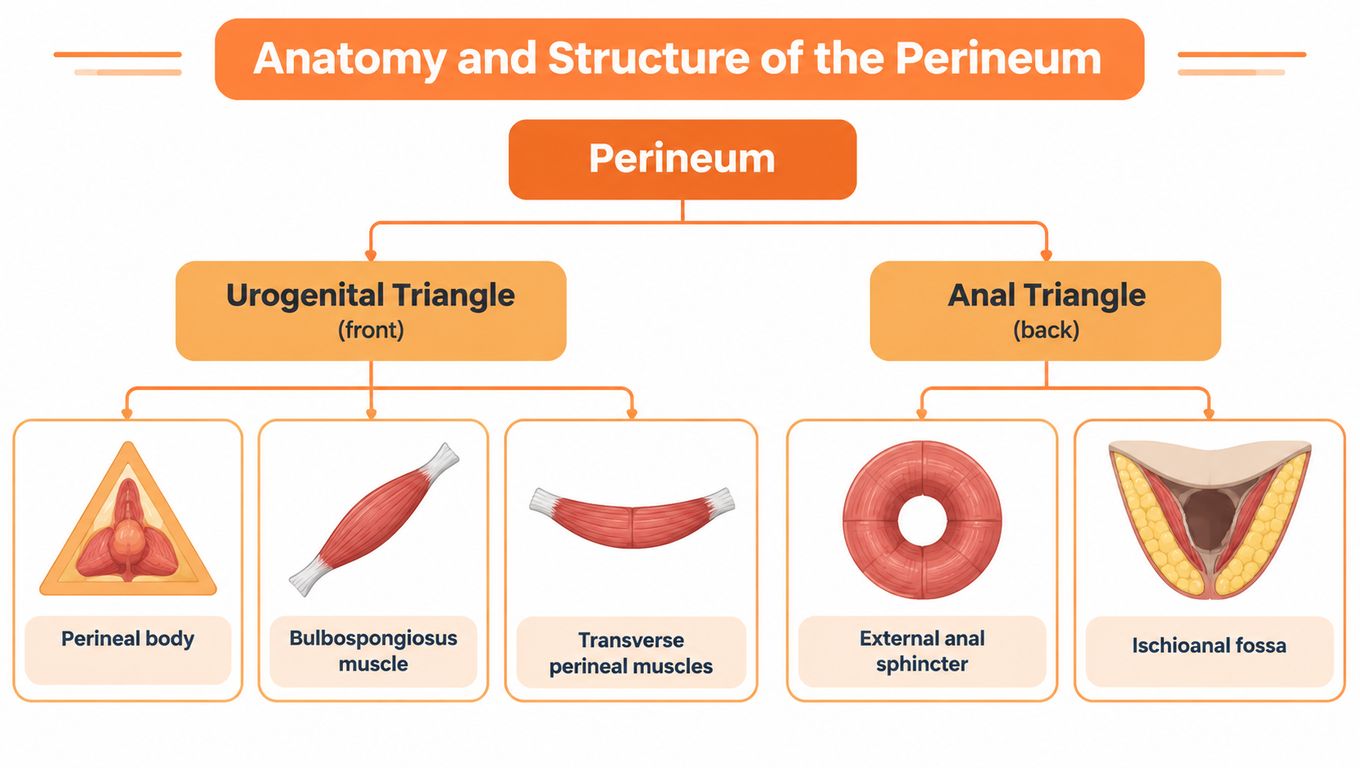
The front triangle contains structures linked to the urethra and penis. The back triangle surrounds the anal canal and related tissues. That front to back split is the easiest way to keep the anatomy organized.
What's in the front and center
- Perineal body: A central fibromuscular tendon between the anus and the bulb of the penis that helps anchor pelvic floor structures.
- Bulbospongiosus: A muscle in the anterior portion associated with urethral and penile structures.
- Ischiocavernosus: Another anterior muscle grouped with those urethral and penile structures.
- Transverse perineal muscles: Muscles that help support the central perineal region.
These names sound technical, but their shared role is simple. They form part of a support system rather than acting as isolated parts. If you're connecting this region to the broader system, an overview of male reproductive system functions places these structures alongside the organs they support.
It's larger than the slang suggests
A 2014 study of 20 adult men with a mean age of 32.3 years used transperineal ultrasound and reported average perineal height of 10.5 cm and average width of 7.4 cm, with considerable variation between individuals. You saw the citation for that study in the opening section, and its key lesson is about scale and variation, not a universal standard.
Don't treat those averages as a scorecard. The study examined measurement reliability in a small sample, so its numbers don't define health, sexual performance, or fertility. They show that male anatomy taint refers to a substantial region, not just the visible surface between scrotum and anus.
Later clinical measurement also reinforces natural variation. In men, mean posterior perineal length from the posterior anal margin toward the coccyx was 4.6 cm with a standard deviation of 0.7 cm, according to the clinical anatomy source cited above. Different landmarks produce different measurements, which is why comparing your body to a single number isn't useful.
Functions and Why Sensitivity Varies
Structure explains sensation here. The perineal muscles contribute to urethral support, ejaculation, continence, and pelvic stability, as described in a clinical overview of perineal anatomy and function. When those muscles contract, relax, or stay tense for too long, you can feel the effect during urination, bowel movements, erection, or ejaculation.
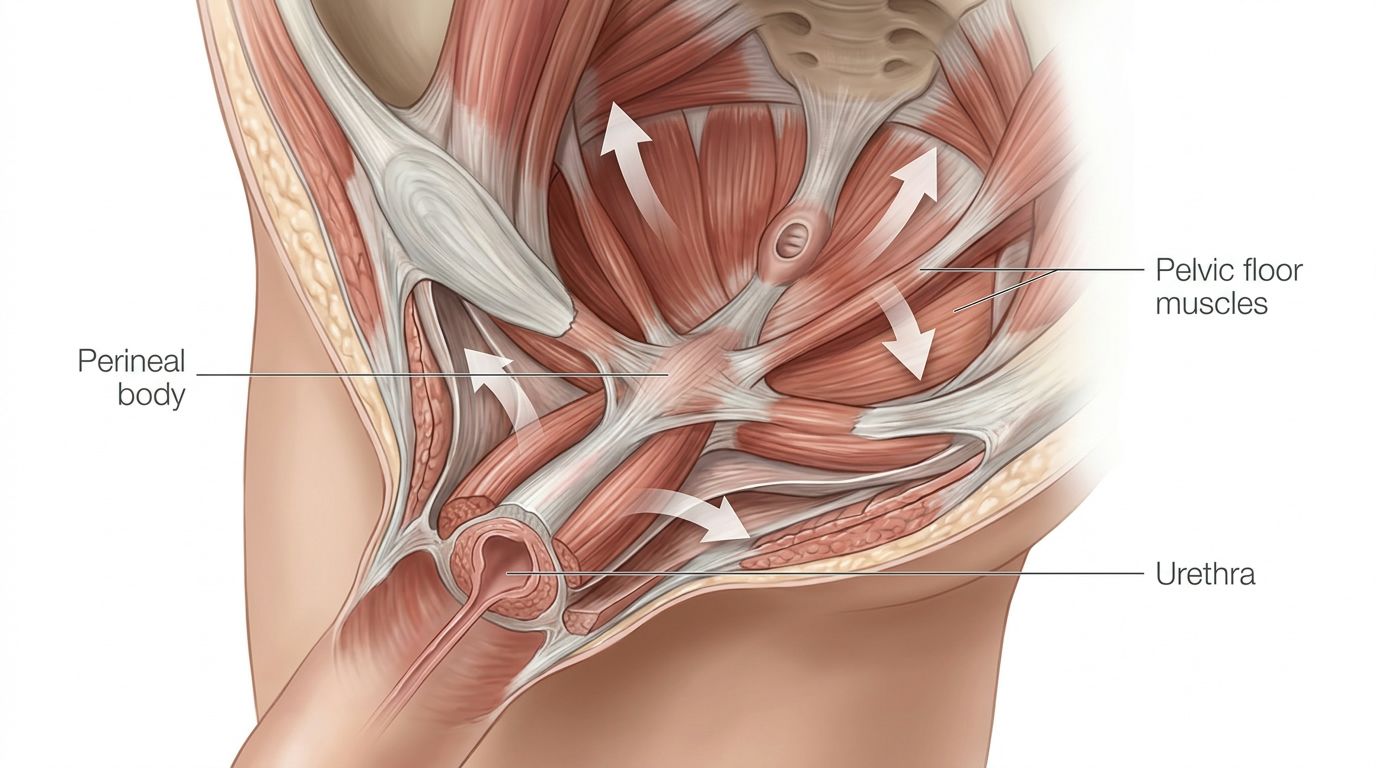
That's why this area can feel involved even when the activity seems unrelated. Sitting loads it. Cycling compresses it. Sexual arousal increases blood flow and muscle activity around it. Straining changes pressure through it.
The nerve and blood supply
The pudendal nerve from spinal roots S2 to S4 provides the main sensory and motor supply, and the internal pudendal artery is the primary arterial supply, according to the clinical overview cited just above. Sensory and motor in this context means the nerve carries feeling from the region and also helps control muscle activity there.
Because one main nerve serves a wider pelvic area, pressure doesn't always stay local. Compression can produce localized soreness, tingling, numbness, or referred genital discomfort because soft tissues and the neurovascular bundle can be affected at the same time. That referred quality is often what confuses men most.
Practical rule: Persistent numbness is a signal to change the activity and get assessed if it doesn't resolve, not a sensation to push through.
Sensitivity also varies because bodies vary. Muscle tone, recent activity, skin irritation, hair removal, sitting time, and how much pressure your saddle or chair places on the midline all change what you feel on a given day. A tense pelvic floor may feel achy or overly reactive, while relaxed tissues may register the same touch very differently.
Learning to relax the pelvic floor matters as much as learning to contract it. Guidance on how to do reverse Kegels for men is relevant because constant clenching isn't the same as support. Good function needs coordination, the ability to engage when needed and let go when you're urinating, having a bowel movement, or at rest.
Everyday Causes of Perineal Discomfort
Consider a common scenario. You finish a long bike ride, stand up, and notice soreness between your scrotum and anus, maybe with brief tingling. The saddle has loaded a small area that contains muscles, connective tissue, blood vessels, and nerve branches, so the discomfort makes anatomical sense.
Repeated high-pressure loading or blunt trauma can produce pain through soft tissue irritation and pelvic floor overactivity, a mechanism noted in the perineal anatomy overview cited earlier. The tissue gets compressed, and the muscles may guard in response. Both can keep the area feeling tender after the ride ends.
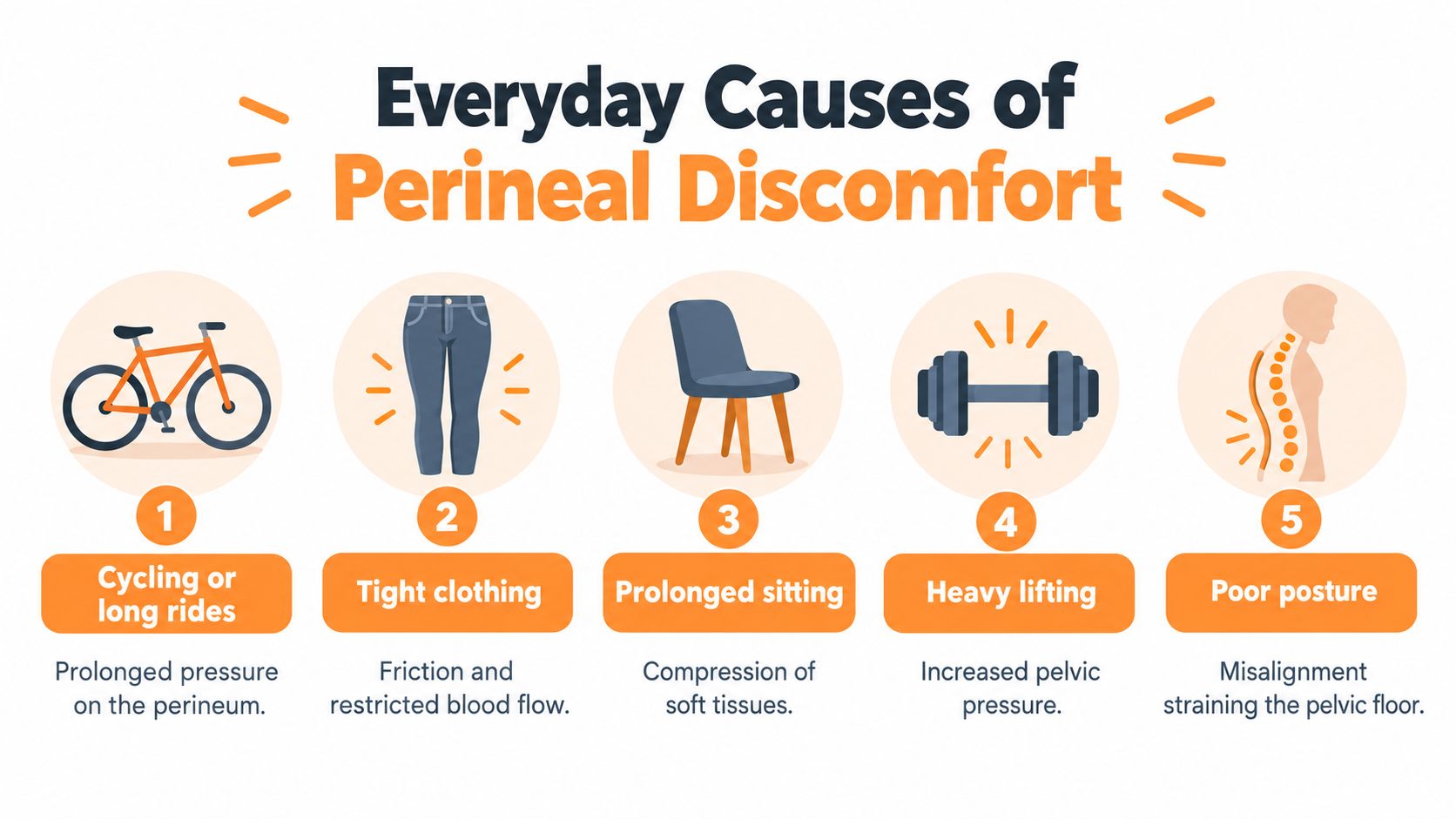
Cycling is the clearest example, but it isn't the only trigger.
Triggers worth checking in your routine
- Narrow or poorly fitted saddles: They concentrate pressure on the midline instead of your sit bones.
- Prolonged sitting: Desk work and long drives compress soft tissues without obvious movement breaks.
- Friction and heat: Tight clothing, vigorous activity, and sweaty workouts irritate surface skin.
- Shaving irritation: Razor bumps and ingrown hairs can mimic deeper soreness.
- Direct impact: A fall onto a bar, beam, or hard edge can bruise the region.
Simple changes reduce load. Use a properly fitted saddle, stand or shift position periodically during cycling, choose breathable clothing, and stop an activity that causes persistent numbness. At a desk, brief standing and walking breaks change pressure more effectively than trying to sit perfectly still in a better posture.
Timing helps you interpret symptoms. Mild soreness that follows a known pressure source and settles is different from pain that progresses, appears without a trigger, or arrives with swelling, bruising, fever, urinary difficulty, blood, or genital numbness. Those latter patterns warrant medical evaluation rather than self-treatment, consistent with the earlier clinical source.
Don't assume every ache signals a sexual performance problem. Hygiene, skin conditions, infection, pelvic floor tension, and simple compression can produce similar feelings in male anatomy taint tissue. The pattern matters more than a single uncomfortable afternoon.
Hygiene and Daily Care Habits
This region stays warm, covered, and close to both sweat and bacteria from surrounding skin. Care doesn't need to be complicated, but it does need to be consistent and gentle. Harsh scrubbing creates the irritation you're trying to prevent.
Start in the shower. Wash with warm water and mild soap, clean between skin folds, rinse fully, and pat dry rather than rubbing. Drying matters because trapped moisture increases friction and can leave skin feeling raw during walking, training, or sitting.
A repeatable daily routine
- Cleanse gently: Use your hand or a soft cloth, not an abrasive scrubber.
- Dry completely: Pay attention after workouts and on hot days.
- Change out of damp clothing: Don't sit for hours in sweaty shorts or underwear.
- Choose breathable underwear: A fit that supports without compressing the midline reduces rubbing.
- Check the skin: Notice new bumps, sores, persistent redness, or discharge early.
Grooming deserves extra care because perineal skin is mobile and difficult to see directly. Trimming is often easier to control than a close shave, and working slowly with clean tools reduces nicks and ingrown hairs. Detailed guidance on how to groom male pubic hair can help you choose a method that doesn't leave the area inflamed.
If you do shave, soften hair with warm water first, use a clean blade, avoid repeated passes over the same spot, and stop if the skin is already irritated. Don't apply strongly fragranced products to freshly shaved perineal skin. A plain, gentle moisturizer is a safer choice if dryness is the issue.
Clean, dry, and low friction is the goal. More products don't automatically mean better care.
Pelvic floor awareness belongs in daily care too, especially if you sit for long stretches. Notice whether you're clenching while concentrating, driving, or lifting. Relax your jaw, breathe steadily, and let your abdomen and pelvic floor drop rather than bracing all day. That small habit won't diagnose or fix pain, but it reduces needless tension in tissues that already carry pressure from sitting.
Skip home remedies that promise to change anatomy or performance. Male anatomy taint care is basic skin care plus pressure management. When irritation persists despite gentle habits, that persistence itself is useful information for a clinician.
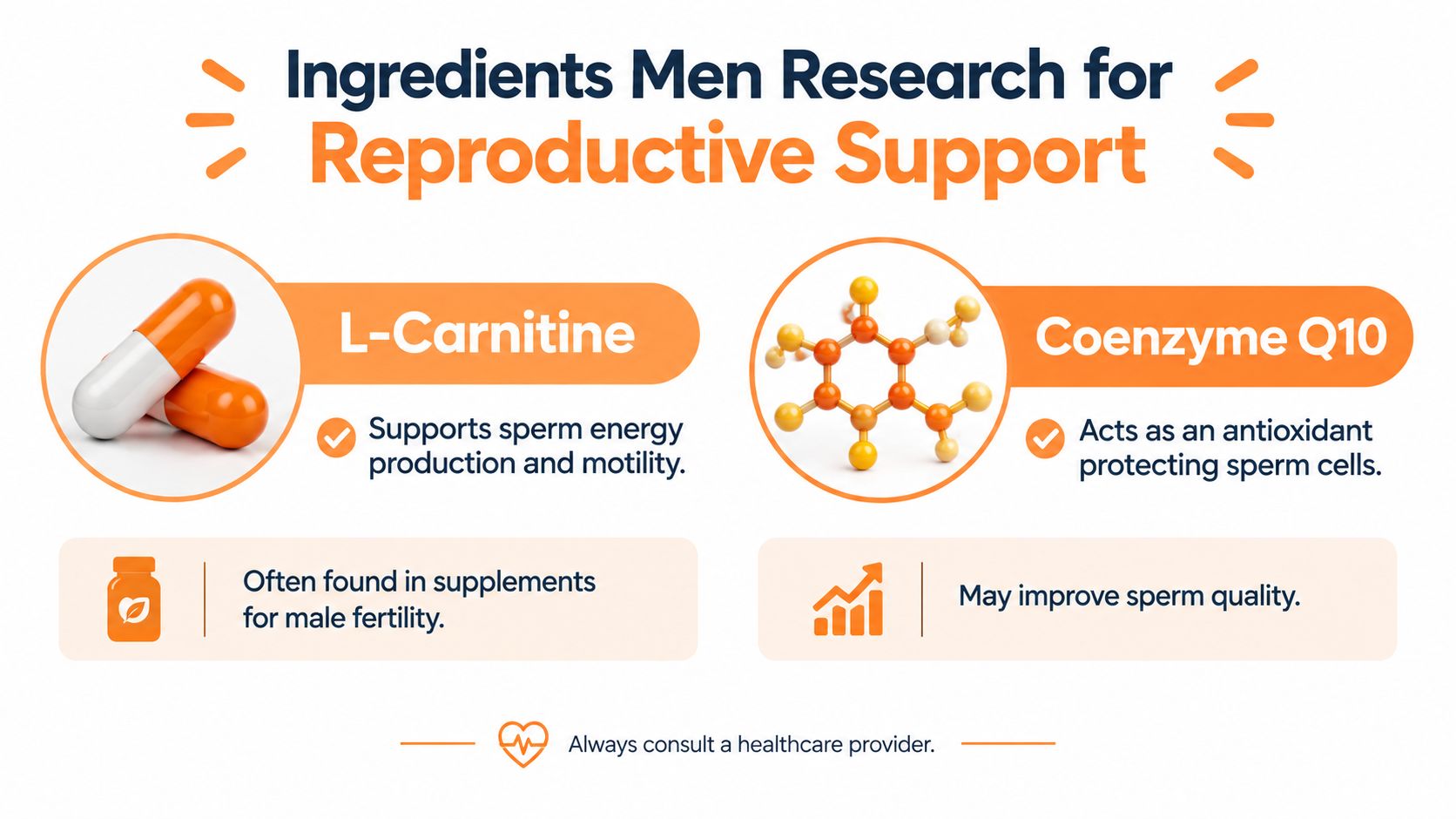
Ingredients Men Research for Reproductive Support
Men who start with anatomy questions often move to ingredient questions, especially around circulation, semen quality, and reproductive health. Careful language matters here. An ingredient can play a normal physiological role without proving that a supplement improves fertility or treats a condition.
Zinc and its cellular role
Zinc is required for the catalytic activity of hundreds of enzymes and participates in DNA synthesis, protein synthesis, cell signaling, and cell division, as summarized in a review of zinc and male fertility. That supports saying zinc plays a role in normal cellular and reproductive processes.
The same review draws an important line. Zinc-deficient nutrition is associated with poorer sperm quality, but clinical studies of zinc-containing supplements didn't appear to improve pregnancy rates, sperm counts, or sperm function. Biological importance and demonstrated supplement outcomes aren't the same claim.
L-arginine and nitric oxide
L-arginine is a semi-essential amino acid and the substrate for nitric-oxide synthase, the enzyme that produces nitric oxide involved in vascular tone and blood flow regulation, as explained in research on L-arginine and nitric oxide pathways. That pathway is why the ingredient is discussed in circulation contexts.
The pathway continues in a defined sequence. Nitric oxide activates soluble guanylate cyclase and increases cyclic GMP, a signaling molecule involved in smooth muscle relaxation, as detailed in a review of nitric oxide signaling from L-arginine. A plausible mechanism still isn't proof of a clinical outcome.
Evidence for oral supplementation is mixed. A meta-analysis reported a standardized mean difference of 0.30 with a 95% confidence interval from -0.85 to 1.46 and high heterogeneity at I² = 96%, finding no significant improvement in blood-flow responses versus placebo in a systematic review of L-arginine supplementation.
If you're comparing formulas, start with ingredient identity, dose transparency, and testing rather than outcome promises. A broader guide to male reproductive health supplements can help you evaluate those basics. Keep every claim tied to the ingredient and its research, not to a product as a treatment for infertility, erectile dysfunction, or low sperm count.
Semen Volume Versus Reproductive Health
Here's the assumption worth challenging. A larger-looking ejaculation doesn't automatically mean better fertility. Semen volume is the amount of fluid. Sperm quality involves separate laboratory measures such as concentration and motility, and one doesn't establish the other.
A 2024 analysis of 60,823 samples reported mean semen volume of 3.4 mL and median of 3.1 mL, as presented in research on semen volume and abstinence interval. Volume rose with longer abstinence and then generally plateaued, which explains why timing changes what you see.
| Abstinence window | Approximate volume (mL) |
|---|---|
| 12 to 24 hours | 2.6 |
| 36 to 48 hours | 3.4 |
| 84 to 96 hours | Generally plateaued |
Those figures come from the same 2024 analysis cited above. They describe group patterns under specific collection conditions, not a target for any individual man. Hydration, arousal, collection completeness, age, and recent ejaculation frequency can all affect a single observation.
Why one sample misleads
A 2025 review reported substantial within-person variation across semen parameters of approximately 28% to 34% in a cohort of 5,240 men, a point included in the research context for the abstinence analysis above. In plain terms, the same man can produce noticeably different results at different times. Drawing a fertility conclusion from one visual impression is unreliable.
Extending abstinence on purpose may increase visible volume while reducing ejaculation frequency. It doesn't establish improved sperm motility, concentration, or fertility potential. If conception is the concern, a laboratory semen analysis gives relevant information that appearance can't.
This distinction also keeps supplement discussion honest. Ingredient-level structure and function language can describe normal roles for nutrients such as zinc or amino acids such as L-arginine. It can't turn volume into a fertility diagnosis, and it shouldn't imply treatment of infertility. For male anatomy taint health, the perineal muscles help with ejaculation mechanics, but they don't determine sperm quality by themselves.
If volume changes suddenly, especially with pain, blood, discharge, urinary burning, or difficulty ejaculating, don't troubleshoot it as a performance issue. Treat the change as a symptom pattern and discuss it with a healthcare professional.
When to See a Clinician and Key Takeaways
You don't need to monitor this region anxiously. You do need to know which changes shouldn't be brushed aside. Authoritative guidance on penis health warning signs from Mayo Clinic flags several symptoms that also matter when you're assessing perineal and genital discomfort.
Get medical advice for these patterns
- Changes in ejaculation: New difficulty, pain, or a sudden change that persists.
- Bleeding or blood: Blood in urine or semen, or bleeding from irritated skin that doesn't settle.
- Rashes, sores, or discharge: New genital sores, rashes, or penile discharge.
- Painful symptoms: Painful erections, burning urination, or progressive perineal pain.
- Pressure injury signs: Swelling, bruising, fever, urinary difficulty, or persistent genital numbness.
Seek urgent care when pain is severe, swelling develops quickly, you can't urinate, fever accompanies pelvic pain, or numbness follows trauma and doesn't resolve. Don't self-diagnose infection, pelvic floor dysfunction, or prostate problems from location alone. Similar symptoms can come from skin irritation, cycling pressure, infection, or muscle tension.
Remember this: The perineum is a defined pelvic floor region, its sensitivity has a neurovascular basis, and persistent symptom patterns matter more than slang or size comparisons.
Your practical takeaways are straightforward. Use the word perineum when accuracy matters, manage saddle and sitting pressure, keep skin clean and dry, and avoid judging fertility by visible semen volume. Laboratory analysis answers fertility questions better than guesswork.
These statements have not been evaluated by the Food and Drug Administration. This product is not intended to diagnose, treat, cure, or prevent any disease.
If you're researching ingredient-based support for semen volume and taste as part of a broader male wellness routine, SEMEX offers a daily vegan, non-GMO supplement made in the USA in a cGMP-registered facility and third-party tested by Eurofins. Explore the formula, review its ingredients including zinc and L-arginine, and decide whether consistent daily use fits your goals alongside sound perineal care and professional advice when symptoms arise.