

What Does Male Come Taste Like Explained
Why does the same intimate experience sometimes seem mildly sweet, salty, bitter, or metallic, even when no obvious food has changed? The answer is less about a magical “flavor switch” and more about seminal plasma chemistry, hydration, lifestyle, and individual body biology.
People searching “what does male come taste like” usually want a direct answer. There isn't one fixed flavor. Semen can be described as mildly sweet, salty, slightly bitter, or mineral-like, and its texture and temperature also affect perception. Those differences are normal because semen is a mixture produced by several accessory glands, not a single uniform substance.
This guide separates what biology can explain from what remains anecdotal. It looks at fructose, glucose, sodium, zinc, and pH, then considers hydration, food, smoking, alcohol, medications, ejaculation timing, and ingredient research. The practical message is straightforward: a single food, including pineapple, can't guarantee a sweeter taste, while consistent habits may support a more balanced overall profile.
Table of Contents
- Introduction to What Semen Taste Is Really Like
- The Chemistry Behind Semen Flavor and Texture
- Common Ways People Describe the Taste and Why It Varies
- What Actually Influences Taste Beyond Food Myths
- Evidence Backed Habits That Support a Milder Taste
- How Ingredients Like Zinc and Bromelain Fit Into the Story
- Final Takeaways and What to Try Next
Introduction to What Semen Taste Is Really Like
Why can semen seem mildly sweet, salty, bitter, or mineral-like from one encounter to the next? The answer begins with seminal plasma, the fluid carrying sperm and dissolved compounds. Fructose can add a faint sweetness, sodium can create a salty note, and zinc may contribute a sharper, metallic impression. Semen is also mildly alkaline, typically around pH 7.2 to 8.0, so its chemistry is closer to a mineral-rich fluid than to a single food flavor.
Hydration changes the concentration of that mixture. After drinking water regularly through the day, fluid may seem less concentrated than after sweating, drinking alcohol, or going a long time without fluids. Saliva, oral dryness, temperature, and how recently ejaculation occurred can also alter what a partner notices.
A practical rule is simple: a different taste does not prove that one food caused the change.
Pineapple receives particular attention, along with garlic, asparagus, and alcohol. Pineapple may be a pleasant food, but it has not been shown to guarantee sweeter semen. A BBC report described a short experiment in which men avoided alcohol and strongly flavored foods before sensory tasting. It presented that activity as an experiment, not as definitive clinical evidence. Personal reports therefore remain anecdotal, while controlled human research has not established a reliable pineapple effect.
Separate two questions. What does semen contain, and how might those compounds taste? That question has measurable biological answers. Does one food or supplement change the mixture enough for another person to notice? The answer is less predictable because hydration, concentration, oral conditions, lifestyle, and individual biology interact.
For practical decisions, treat taste as a variable sensory experience rather than a health score. Ingredients may support normal reproductive function or overall vitality, but no product should be presented as a guaranteed way to control sexual-fluid flavor. Consistent hydration and realistic expectations are more useful than chasing a single food myth.
The Chemistry Behind Semen Flavor and Texture
What gives semen its recognizable flavor? The main answer is seminal plasma, the fluid surrounding sperm cells. Sperm cells are not the primary source of taste. Seminal plasma combines secretions from the seminal vesicles, prostate, and other reproductive glands, creating a mixture that resembles lightly sweetened, mineral-rich water more than a single pure ingredient.
Sugars, minerals, and alkalinity
Seminal vesicle fluid makes up about 50–65% of semen volume and contains fructose at roughly 1.5–6.5 mg/mL, according to a medical reference on semen composition reviewed in PubMed. Fructose can provide a subtle sweet note, while glucose adds another sugar to the mixture. A comparative review reported average concentrations of 272 mg/100 mL for fructose and 102 mg/100 mL for glucose the Journal of Andrology review.
The prostate contributes about 20–30% of the volume, along with zinc, citric acid, spermine, and phospholipids. The same review reported average sodium at 300 mg/100 mL and zinc at 16.5 mg/100 mL. Sodium can support a salty impression. Zinc and other minerals may add a sharper or metallic finish.
Semen is also alkaline, with a reported pH of roughly 7.2–8.0. That chemical setting can make acidic notes less noticeable and allow mineral or bitter impressions to stand out. The final flavor depends on the balance of sugars, minerals, and water in the mixture, so it does not follow one fixed formula.
Why concentration changes perception
Hydration affects taste mainly through concentration. A more concentrated mixture may make salty, bitter, or mineral notes seem stronger, while a more diluted mixture may seem milder. Drinking water cannot guarantee sweetness. It can change how strongly the same underlying compounds are perceived.
Older clinical work also found that higher fructose concentrations varied alongside higher zinc recovery in seminal plasma. This connection suggests that the compounds associated with sweetness, saltiness, and metallic notes belong to the same gland-produced mixture rather than appearing independently.
For a broader look at its nutritional composition, see what nutrients sperm contains. Nutrients can help explain flavor, but taste alone is not a precise measure of reproductive health.
Common Ways People Describe the Taste and Why It Varies
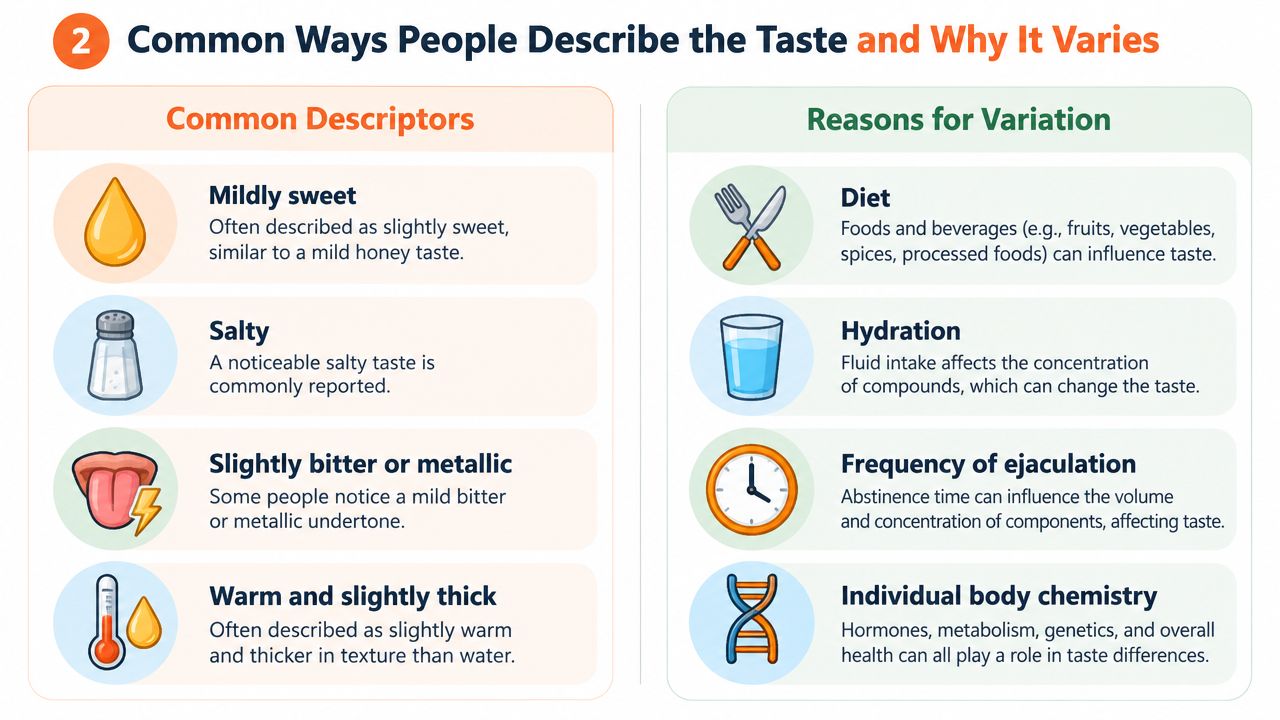
The most honest answer to “what does male come taste like” is a range, not a label. Descriptions commonly include mildly sweet, salty, slightly bitter or metallic, and warm with a somewhat thick texture. Each word reflects a combination of chemistry and perception.
Fructose and glucose may contribute sweetness. Sodium supports saltiness. Zinc and other minerals can create a sharper or metallic impression. The alkaline fluid can make the overall experience seem less acidic, while concentration, temperature, and texture influence how quickly those notes register.
Common descriptors and likely drivers
| Descriptor | Likely Chemical Driver | What Shifts It |
|---|---|---|
| Mildly sweet | Fructose and glucose | Seminal plasma balance and concentration |
| Salty | Sodium and dissolved minerals | Hydration and individual gland output |
| Slightly bitter or metallic | Zinc and other mineral compounds | Concentration, medications, smoking, and alcohol |
| Warm and slightly thick | Seminal plasma texture and temperature | Recent ejaculation timing, fluid balance, and perception |
These categories aren't clinical tests. They're practical sensory descriptions, and two people may use different words for the same sample. Taste perception also depends on the mouth, recent foods, oral hygiene, and personal sensitivity to salt, minerals, and bitterness.
The role of gland balance
Seminal vesicle fluid and prostatic fluid don't contribute the same compounds or the same share of total volume. That makes the final profile dependent on how those fluids combine at a particular time. A sample with a stronger sugar contribution may seem sweeter, while a more concentrated mineral contribution may seem saltier or sharper.
Recent ejaculation can also change how concentrated a later sample seems, although individual experiences differ. Abstinence timing, hydration, and normal variation in gland output can alter volume and texture without creating a stable, predictable flavor pattern.
There isn't a universally correct description. Mild sweetness doesn't mean the semen is “healthier,” and a metallic taste doesn't automatically mean something is wrong. Persistent, unusual changes accompanied by pain, blood, burning, discharge, fever, or other symptoms should be discussed with a qualified healthcare professional.
What Actually Influences Taste Beyond Food Myths
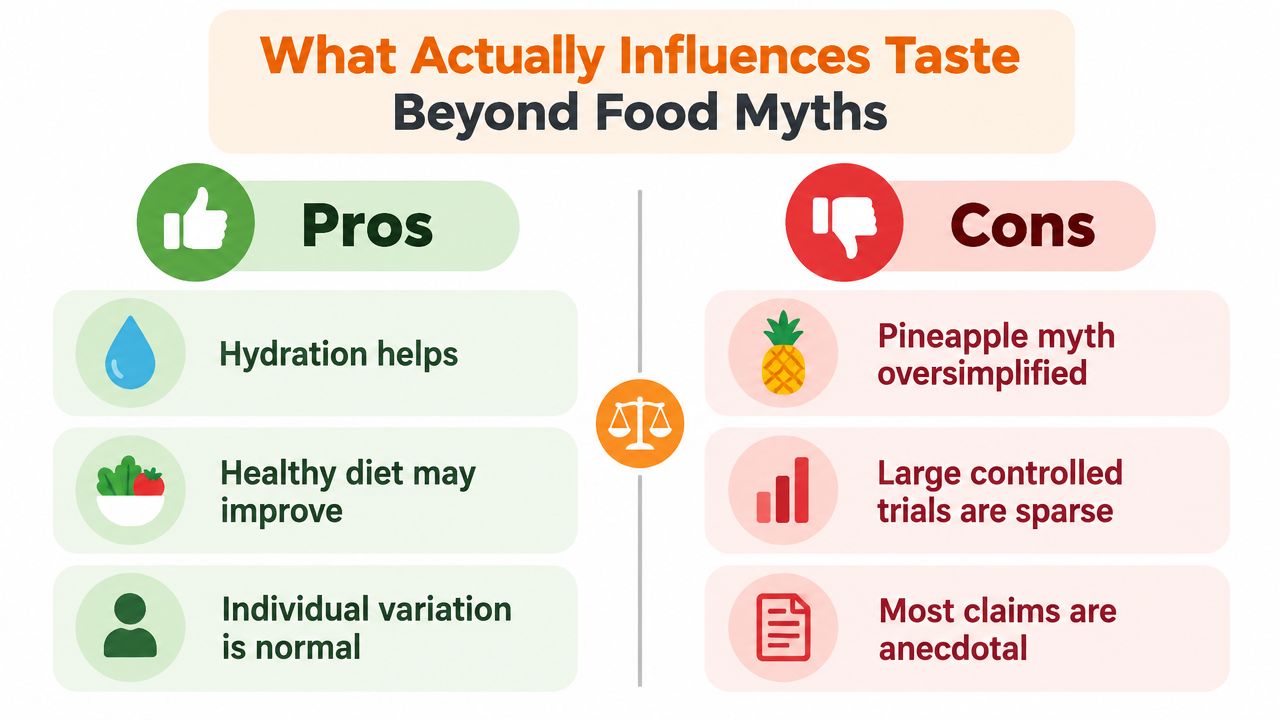
Why does pineapple receive so much attention? It offers an appealing, simple story: eat a sweet fruit, and semen should taste sweet. Human biology is less predictable. Seminal plasma contains a mixture of sugars, minerals, salts, and other compounds, so one food does not reliably rewrite its overall chemistry.
Research that directly measures semen flavor remains limited. Public claims often rely on personal anecdotes, small experiments, or studies examining related outcomes rather than taste itself. A study of 188 men attending fertility clinics examined food intake and semen quality. Frequent intake of lipophilic foods, including meat products or milk, was associated with poorer semen quality, while some fruit and vegetable intake was associated with better quality, according to the peer-reviewed study summary. These findings concern semen parameters, not proof that particular foods change flavor.
Factors with a more plausible pathway
Hydration has a clearer route to perception. Less fluid can make body fluids seem more concentrated, much like soup tastes saltier after water evaporates. Smoking, alcohol, medications, and supplements may also affect compounds in body fluids or change how flavor is perceived. These factors still cannot predict an identical result for everyone, but they have a more credible biological pathway than the claim that pineapple automatically “sweetens” semen.
Diet remains relevant to general wellness and may relate to semen quality. Taste and quality describe different things, however. A dietary pattern associated with better semen parameters does not prove a direct flavor change. The reverse also applies: noticing a different flavor after eating one food does not prove that food altered seminal plasma.
Short-term perception versus longer-term biology
Some variables can affect perception relatively quickly. Hydration, oral conditions, alcohol, smoking, and strongly flavored foods consumed near intimacy may change the experience without changing the underlying biology for long.
Broader diet quality and supplement use work differently. Their effects, if any, may depend on consistent habits, and they may not produce a noticeable flavor difference. A person who drinks more water or smokes less might notice a milder experience, or no clear change. Both outcomes fit normal biological variation.
The practical conclusion is conditional: taste varies, one-food promises are oversimplified, and multi-factor habits make more sense than chasing a single fruit-based fix. Product claims deserve the same caution. Look for ingredient-level evidence and structure/function wording, rather than promises of guaranteed flavor control.
Evidence Backed Habits That Support a Milder Taste
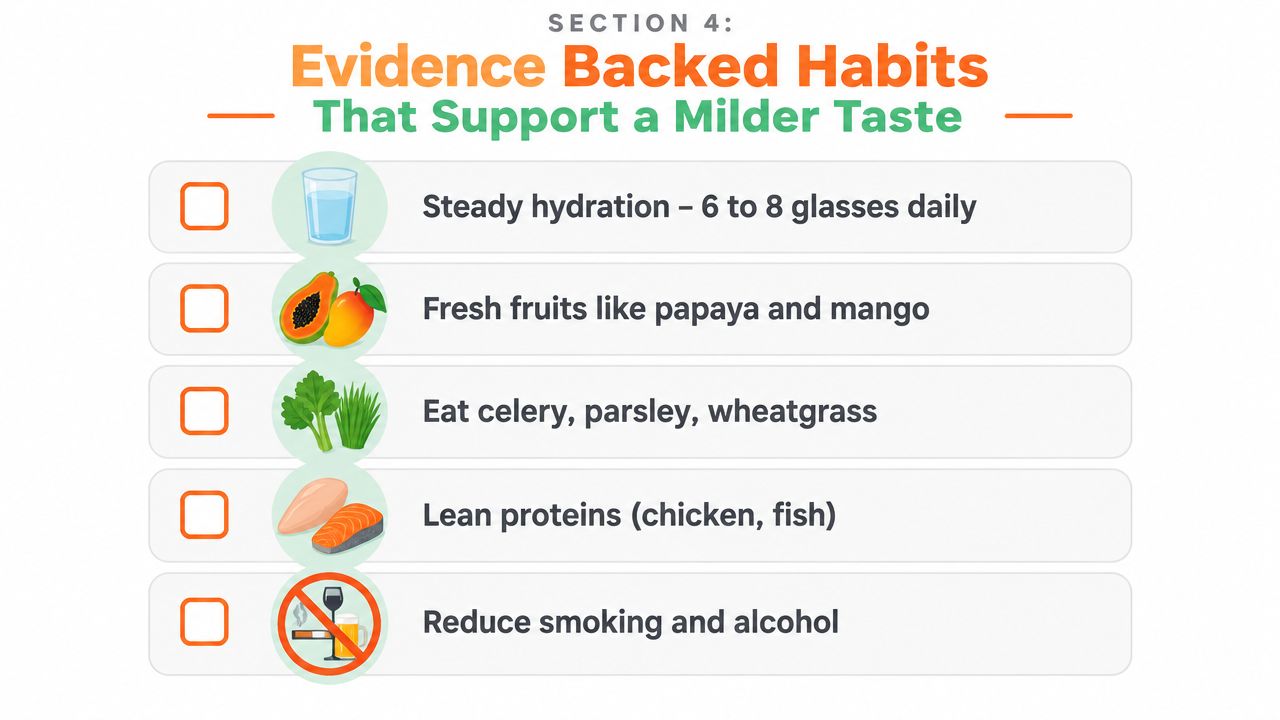
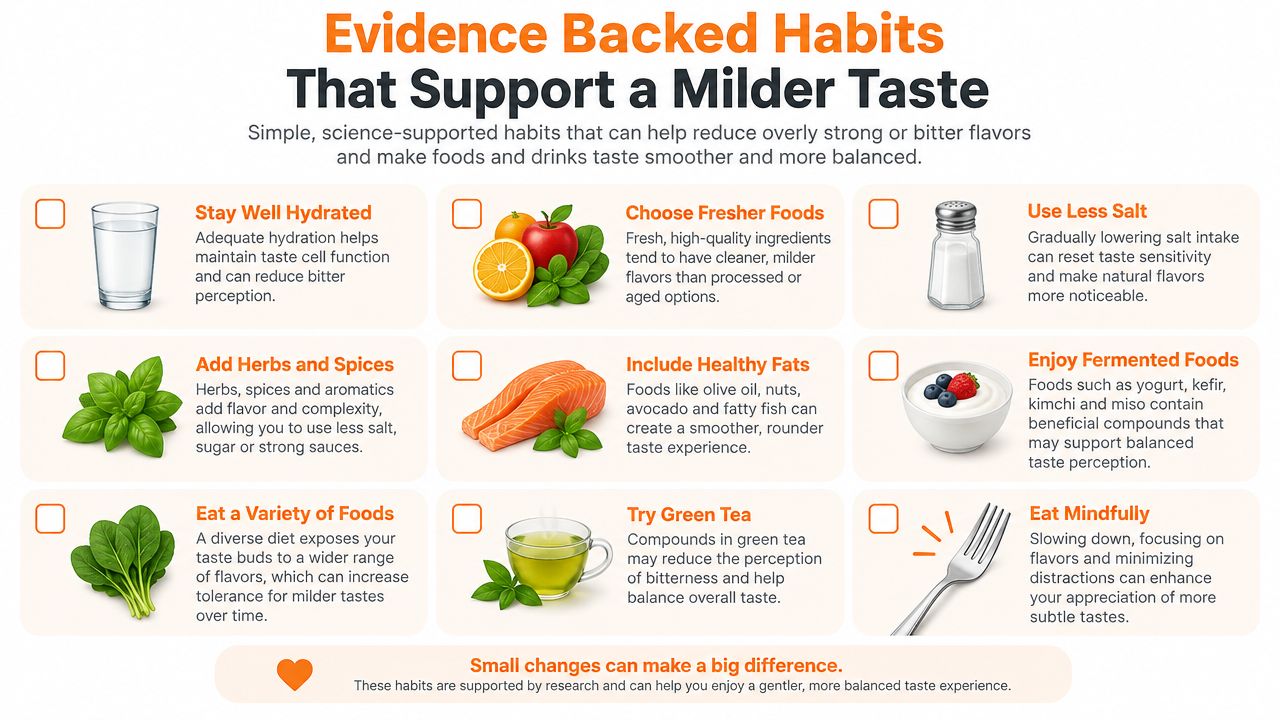
A milder taste is more plausibly supported by steady habits than by a sudden dietary trick. The objective isn't to force semen into a particular flavor. It's to support normal hydration, general wellness, and a balanced routine that may reduce some avoidable sources of strong or concentrated perception.
Start with fluid balance
Regular water intake can help prevent concentration from becoming the dominant sensory feature. A person doesn't need to treat hydration as a pre-intimacy challenge. Consistent intake across the day is more sensible than drinking a large amount immediately beforehand, which won't rewrite the underlying chemistry.
Timing also matters. Recent ejaculation can affect concentration and volume for some people, while longer abstinence can make a later sample seem more concentrated. There isn't a universal schedule that produces a preferred taste, so personal observation is more useful than rigid rules.
Build a balanced eating pattern
Fruits and vegetables fit a general wellness pattern, but they shouldn't be marketed as guaranteed flavor changers. Lean proteins, varied plant foods, and regular meals provide a more credible foundation than focusing on one “sweetening” ingredient.
Strong sulfur-containing foods, including garlic and asparagus, may influence how body fluids are perceived because their compounds can be noticeable after digestion and excretion. Avoiding them immediately before intimacy may help some people, but the effect is individual and isn't established as a dependable semen-flavor intervention.
- Choose consistency: Regular balanced meals make more sense than a short pineapple-focused experiment.
- Notice personal triggers: A food diary can help identify whether garlic, alcohol, caffeine, or another intake seems to affect perception.
- Keep expectations realistic: A perceived change may reflect mouth taste, breath, hydration, or concentration rather than a major change in seminal composition.
Reduce avoidable contributors
Smoking and alcohol can affect general health and may change how body fluids are perceived. Reducing them supports a healthier routine, but neither change guarantees a specific flavor. Excess caffeine can also affect hydration habits and mouth dryness for some people, which may alter the overall sensory experience.
Oral hygiene deserves attention because taste begins in the mouth. Brushing, flossing, and addressing persistent dry mouth can improve the surrounding sensory environment, even though those actions don't directly modify seminal plasma.
For additional ingredient-focused discussion, readers can review what makes sperm taste good. The same caution applies there: supportive habits may help, but no responsible source can promise that one behavior will create a particular taste for every man.
How Ingredients Like Zinc and Bromelain Fit Into the Story
Ingredient research helps explain why some formulas focus on zinc, amino acids, lecithin, enzymes, and botanical extracts. It doesn't prove that a supplement can dictate semen flavor. Taste still comes from the full seminal plasma mixture, including its sugars, minerals, fluid balance, and alkaline environment.
Zinc has a clearer reproductive role
Zinc is part of the mineral profile contributed by prostatic fluid and can contribute to metallic or mineral notes. Beyond taste, zinc supplementation has been studied in men with infertility. A meta-analysis reported statistically significant associations with semen parameters, including semen volume, with an effect estimate of SMD −0.99, 95% CI −1.60 to −0.38 for semen volume the meta-analysis in PMC.
That research supports discussion of zinc in relation to semen parameters, not a promise about flavor and not a claim that a supplement treats infertility. A separate study used World Health Organization reference thresholds of semen volume at least 1.5 mL, sperm concentration at least 15 million/mL, and sperm motility at least 40% when grouping semen quality the study in the International Journal of Urology. These are reference points for research, not personal targets or diagnoses.
Bromelain and broader wellness ingredients
Bromelain, an enzyme associated with pineapple, appears frequently in taste discussions because of the pineapple myth. The connection is biologically plausible as a conversation about food-derived compounds, but direct evidence that bromelain reliably changes semen flavor remains limited. Readers can explore the ingredient context in the discussion of bromelain and taste.
Other ingredients often placed in men's wellness formulas include L-Arginine, Sunflower Lecithin, Maca Root, Panax Ginseng, Ashwagandha, Tongkat Ali, Saw Palmetto, and Horny Goat Weed. These are generally discussed in terms of vitality, circulation-related pathways, reproductive support, or normal male wellness. Such language should remain supportive and ingredient-specific, not diagnostic or curative.
A daily dietary supplement approach may appeal to men who prefer consistent routines, but effects, if any, build gradually rather than appearing as an instant flavor change. SEMEX is a dietary supplement formulated around semen volume and taste support, with zinc, L-Arginine, Sunflower Lecithin, Bromelain, and a broader men's wellness blend. It should be evaluated as an ingredient-based option, not as a drug or guaranteed solution.
Final Takeaways and What to Try Next
Does semen have one fixed taste? No. Perception varies with the fluid mixture, hydration, recent ejaculation, smoking, alcohol, medications, oral conditions, and individual body chemistry.
Pineapple can fit a balanced diet, while bromelain remains a plausible ingredient for discussion rather than a guaranteed flavor changer. A practical trial is a seven-day diary: record water intake, strongly flavored foods, smoking or alcohol, and any noticeable difference after intimacy. This separates repeatable patterns from one-off impressions.
Men comparing formulas should read the ingredient list, serving size, directions, manufacturing information, and claim wording. For zinc and bromelain, compare the stated amount and bromelain units per serving instead of relying on a prominent ingredient name. FDA guidance requires structure/function claims to be truthful, not misleading, supported by substantiation, and paired with the required disclaimer. Supplements are not drugs and should not be described as treating, curing, preventing, diagnosing, or fixing a medical condition.
These statements have not been evaluated by the Food and Drug Administration. This product is not intended to diagnose, treat, cure, or prevent any disease.
Men seeking a consistent ingredient-based routine can review SEMEX for semen volume and taste support, including zinc, bromelain, and men's wellness ingredients. Visit SEMEX to compare the formula, directions, and product details, alongside steady hydration and practical lifestyle habits.