

How a Semen Volume Booster Actually Works
The most popular advice about a semen volume booster is also the least reliable: take a product today and expect a dramatic change tonight. Seminal fluid production depends on hydration, gland function, nutrient availability, sexual timing, and general health. A supplement can support those foundations, but it isn't a pharmaceutical switch that instantly multiplies ejaculate.
The more useful question is not, “Which product promises the biggest result?” It's, “What does each ingredient do, and what can a man reasonably expect from consistent use?” That distinction separates structure and function support from medical treatment, and it gives buyers a better way to judge formulas, timelines, and safety claims.
Table of Contents
- The Reality of Semen Volume Boosters
- Understanding Normal Seminal Output and Biology
- Evaluating the Core Ingredients and Their Roles
- Setting a Realistic Timeline for Daily Use
- Lifestyle Factors That Support Reproductive Health
- Evaluating Quality and Safety Standards
The Reality of Semen Volume Boosters
Marketing often treats semen volume as if it were controlled by one missing ingredient. Human biology is less tidy. Ejaculate is produced through coordinated activity involving reproductive glands, blood flow, fluid balance, and nutritional status, so a formula's effect can vary considerably between men.
A recent systematic analysis of nutritional supplements found that no supplement consistently produced a statistically significant change in semen volume versus placebo across pooled trials. That finding doesn't mean every ingredient is irrelevant. It means results depend on factors such as baseline deficiency, study design, and formulation rather than following a universal promise.
Support is different from treatment
A daily supplement supplies nutrients or botanical compounds that may help maintain normal body functions. Zinc, for example, contributes to normal male reproductive function. L-arginine participates in nitric oxide production and blood-flow pathways. Those are structure and function claims, not claims that a product diagnoses or treats a condition.
The U.S. Food and Drug Administration defines structure/function claims as statements describing how a nutrient or dietary ingredient affects the body's structure or function, or explaining a documented mechanism by which it helps maintain that structure or function. The agency says these claims don't require premarket approval, but manufacturers must substantiate that they're truthful and not misleading, as explained in FDA guidance on structure/function claims.
Practical rule: A credible semen volume booster should explain its ingredients and limitations, not promise an overnight transformation.
Readers should also separate volume, sperm parameters, erection quality, libido, and taste. These outcomes overlap in the broader wellness conversation, but they aren't interchangeable. More fluid doesn't automatically mean better fertility, and an ingredient associated with blood flow isn't necessarily a direct volume enhancer.
Understanding Normal Seminal Output and Biology
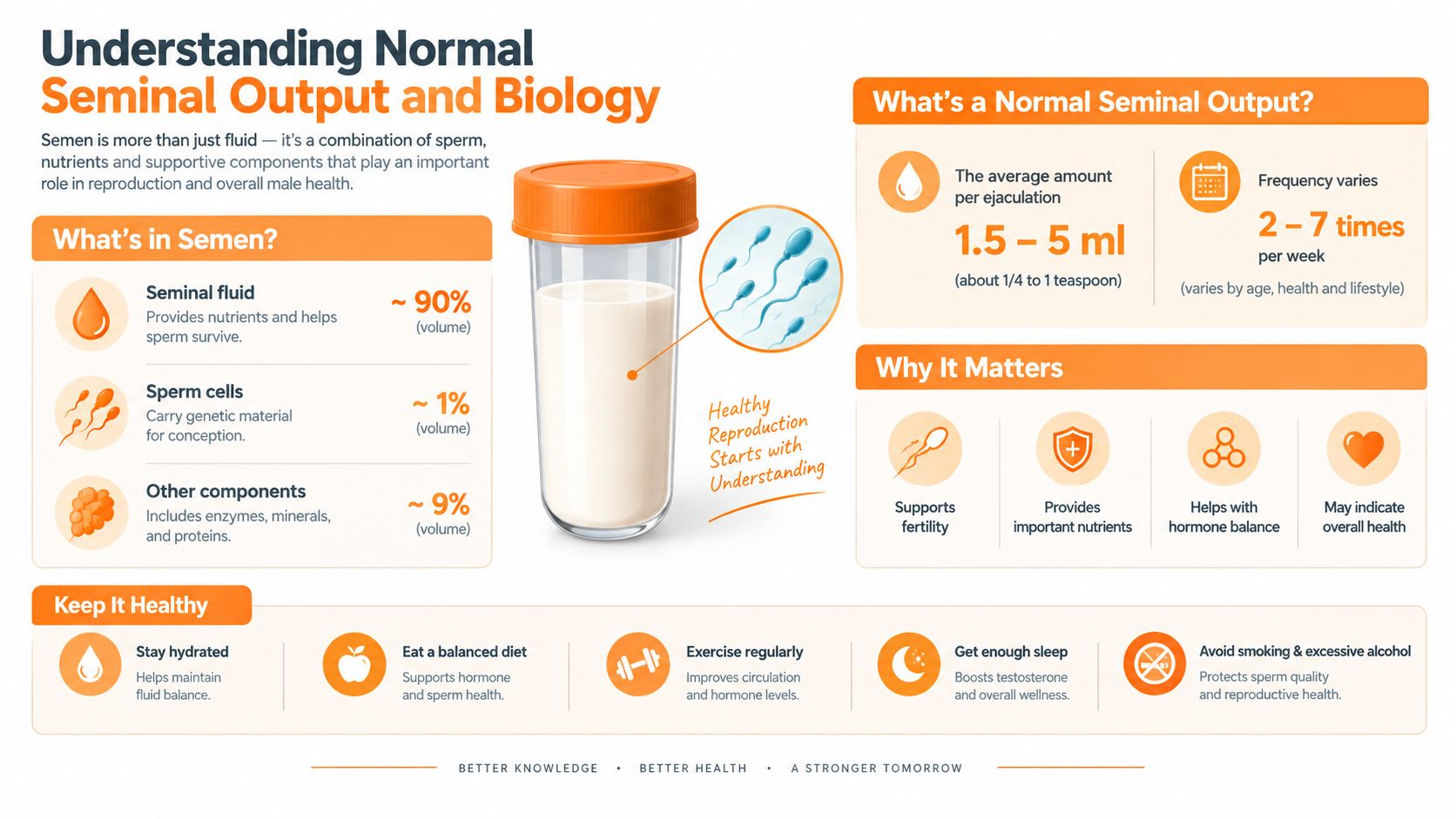
Semen is a mixture of sperm cells and seminal plasma. The sperm contribution is only a small part of the total ejaculate, while the prostate and seminal vesicles supply much of the surrounding fluid. The bulbourethral glands also contribute secretions that support lubrication and the reproductive tract environment.
That composition explains why a semen volume booster generally focuses on glandular function, hydration, and nutrient sufficiency, rather than treating sperm cells as the sole driver of visible volume. A man can have a noticeable amount of fluid without having strong sperm motility or morphology, just as a smaller sample doesn't by itself explain every aspect of reproductive health.
The clinical benchmark
The World Health Organization's 6th edition semen reference standards, published in 2021, set the lower reference limit for semen volume at 1.4 mL, with a 95% confidence interval of 1.3 to 1.5 mL. The same update reported a median semen volume of 3.7 mL in the pooled fertile population, based on fertility data from healthy men, as reported in the WHO reference-standard publication.
These figures are reference points, not targets that every man must reach. Semen volume can vary between samples, and a single observation doesn't provide a complete picture of reproductive function. Men evaluating their own results should use consistent conditions and discuss persistent concerns with a qualified healthcare professional.
The distinction between volume and sperm quality deserves attention. Semen analysis can assess different characteristics, while visual volume alone can't reveal how sperm move or how they're shaped. Readers looking for a plain-language explanation of the difference can review this guide to what sperm volume means.
More visible fluid is one outcome. It isn't a complete measure of fertility, sexual function, or overall reproductive health.
Evaluating the Core Ingredients and Their Roles
A quality formula should make each ingredient's role clear. Zinc has the most direct volume-related human signal in the evidence described here, while L-arginine is better understood through nitric oxide and circulation. Lecithin, bromelain, and botanical blends occupy more specialized or supportive positions, and their marketing shouldn't be confused with direct proof of increased semen volume.
Zinc and reproductive nutrition
Zinc status matters because the mineral supports normal reproductive and hormonal function. In a controlled human dietary study, reducing zinc intake from 10.4 mg per day to 1.4 mg per day lowered average semen volume from 3.30 mL to 2.24 mL and reduced serum testosterone from 26.9 nmol/L to 21.9 nmol/L, according to the controlled zinc-depletion study. The semen-volume change was 32.1%, showing that inadequate zinc intake can materially affect seminal output.
A separate meta-analysis reported that zinc supplementation significantly increased semen volume, with an effect size of SMD -0.99, and a 95% confidence interval of -1.60 to -0.38, alongside improvements in sperm motility and morphology, as described in the zinc evidence review. That evidence supports careful wording: zinc may be especially relevant when intake is inadequate, but it doesn't justify drug-like fertility promises.
The NIH-hosted review of zinc and male fertility also reports that recent clinical studies of zinc-containing supplements didn't appear to improve pregnancy rates, sperm counts, or sperm function. Zinc is therefore a meaningful ingredient to evaluate, not a substitute for medical assessment or a guarantee of a particular outcome.
L-arginine and blood-flow pathways
L-arginine is an amino acid used by nitric oxide synthase. Its reproductive relevance largely involves nitric oxide production, blood flow, and sperm-function pathways, rather than direct multiplication of seminal fluid.
A clinical study found that L-arginine administration increased seminal plasma nitric oxide, arginase activity, semen volume, motility, and concentration, while a review connected many observed fertility benefits to increased nitric oxide biosynthesis rather than a direct “volume booster” effect, as summarized in this clinical review of L-arginine and male reproductive function. That makes L-arginine a circulation-focused ingredient. It shouldn't be presented as equivalent to zinc or as a guaranteed volume enhancer.
Lecithin, bromelain, and botanical support
Sunflower lecithin is commonly included for its phospholipid profile and general nutritional support. Direct human evidence for a reliable semen-volume effect is limited, so buyers should treat it as a formulation component rather than a proven volume multiplier.
Bromelain is an enzyme frequently marketed around semen taste, but direct clinical evidence for semen volume remains limited. The broader review of supplements and male fertility ingredients highlights the uneven evidence across ingredients and the tendency for marketing to combine volume, taste, sperm parameters, and erectile function into one broad promise.
Maca, Panax ginseng, ashwagandha, Tongkat Ali, saw palmetto, and horny goat weed are often used in men's wellness blends for vitality, energy, libido, or general performance support. Those roles are adjacent to semen volume, not identical to it. A responsible formula describes them as supportive botanicals and avoids claiming that the blend treats infertility or any other condition.
| Ingredient | Primary Function | Wellness Benefit |
|---|---|---|
| Zinc | Supports normal reproductive and hormonal function | Helps maintain nutrient sufficiency relevant to male reproductive wellness |
| L-Arginine | Provides substrate for nitric oxide production | Supports blood-flow pathways and general performance |
| Sunflower Lecithin | Supplies phospholipids | Complements a broader nutritional wellness formula |
| Bromelain | Enzyme support | Often included for taste-focused wellness positioning |
| Maca and botanical blend | General vitality support | Complements energy, libido, and men's wellness goals |
A buyer comparing formulas can also review this ingredient guide covering arginine, zinc, pygeum, and lecithin. The key is to judge each compound by its actual role, not by the product category's headline.
Setting a Realistic Timeline for Daily Use
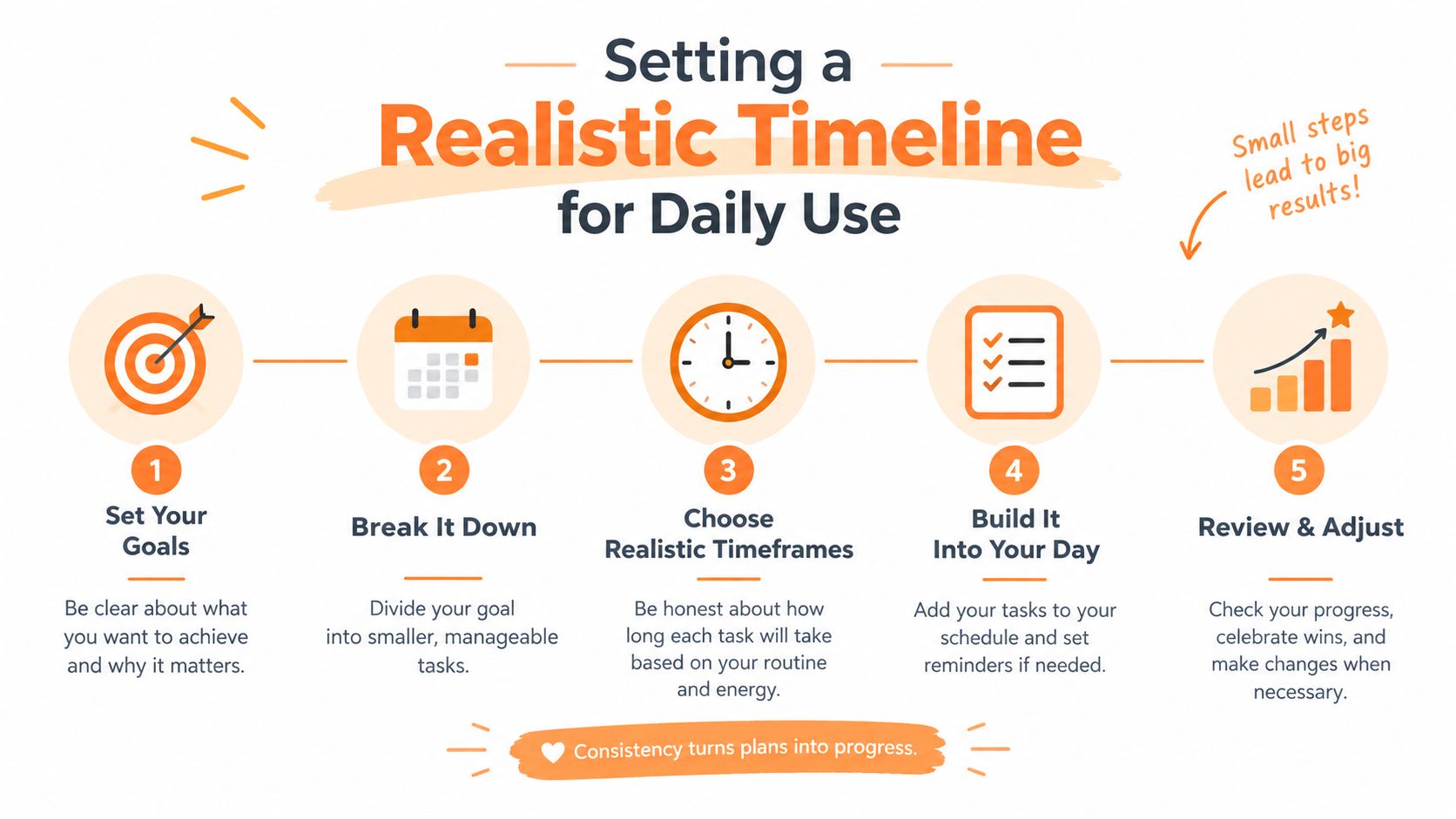
A semen volume booster is a daily wellness product, so consistency matters more than a single dose taken shortly before intimacy. Nutrients and amino acids don't create an instant biological reset, and a missed day won't necessarily produce a visible change in either direction. The practical approach is to follow the product label, keep the routine simple, and evaluate changes gradually.
Most men take three SEMEX capsules daily, with benefits described as building over approximately 30 days of consistent use. That product information should be understood as a usage framework, not a guaranteed outcome. Individual response can differ, especially when a man already has adequate nutrient intake or when other lifestyle factors affect fluid production.
A practical 30-day framework
Days 1 through 7: The main task is habit formation. Taking capsules with a regular morning or evening routine can reduce skipped doses. Early observations may involve convenience, digestion, or general routine fit rather than a clear change in semen volume.
Days 8 through 14: Continued use gives the body a steadier supply of the formula's ingredients. A man can record subjective observations, but he shouldn't treat one ejaculation as a definitive test because sample volume naturally varies.
Days 15 through 21: Attention can shift toward the complete picture. Hydration, sleep, stress, sexual timing, and diet may influence the experience alongside the supplement. A journal can help separate a repeated pattern from a one-off impression.
Days 22 through 30: This is a more reasonable point to review consistency and perceived outcomes. If no meaningful change appears, repeating the same dose indefinitely isn't automatically the answer. Product quality, ingredient amounts, baseline nutrition, and personal health context all deserve consideration.
How to make the routine sustainable
- Use a fixed cue: Pair the capsules with an established meal or daily hygiene routine.
- Follow the label: Don't add extra capsules because a faster result sounds appealing.
- Track the context: Note hydration, sleep, stress, and time since the previous ejaculation.
- Review the goal: Volume, taste, libido, and fertility are different objectives and should be judged separately.
A consistent routine can improve evaluation, but it can't guarantee a particular biological response.
Men with persistent changes, discomfort, blood in semen, or concerns about fertility should seek professional advice rather than relying on supplement experimentation alone.
Lifestyle Factors That Support Reproductive Health
A supplement can't compensate for a daily pattern that leaves the body dehydrated, exhausted, or chronically stressed. Seminal plasma is fluid, so regular hydration supports the basic material available for secretion. Drinking a large amount immediately before sex isn't a substitute for steady fluid intake throughout the day.
Diet matters for the same reason. A varied eating pattern supplies minerals, amino acids, fats, and plant compounds that support normal body functions. Foods such as seafood, eggs, pumpkin seeds, nuts, leafy vegetables, berries, citrus fruit, legumes, and avocados can contribute to a nutrient-dense diet, while a supplement can help fill a targeted nutritional role when appropriate.

Sleep and stress shape the background
Sleep supports normal hormone regulation, energy, and recovery. Chronic stress can make healthy routines harder to maintain and may affect sexual interest, arousal, and general vitality. A practical plan might include a consistent bedtime, reduced evening screen exposure, breathing exercises, meditation, or a short walk after work.
Exercise also has a place, but more training isn't automatically better. Regular movement supports circulation and general fitness, while excessive exertion without adequate recovery can undermine sleep and energy. The strongest routine is one that a man can maintain without turning reproductive wellness into another source of pressure.
Small habits that add up
- Keep water accessible: A bottle at a desk or in a gym bag encourages steady sipping.
- Build balanced meals: Combine protein, vegetables, fruit, legumes, nuts, or seeds across the day.
- Protect recovery: Treat sleep as part of the plan, not as leftover time.
- Reduce prolonged heat exposure: Avoid making hot tubs, saunas, or extended hot environments a regular habit if reproductive wellness is a priority.
- Manage stress actively: Slow breathing, meditation, and movement breaks give the nervous system a practical reset.
These habits don't turn a supplement into a treatment. They create a more supportive environment for normal reproductive function and make it easier to judge whether a daily formula fits a man's goals.
Evaluating Quality and Safety Standards
The supplement label deserves as much attention as the ingredient list. A buyer should look for transparent amounts, clear directions, lot information, manufacturing details, and testing that addresses contamination or adulteration. Claims about vegan, non-GMO ingredients and U.S. manufacturing are useful only when the company presents them clearly and consistently.
Third-party testing can add an independent layer of quality review. For a men's wellness formula, testing may address microbials, heavy metals, and adulterants. cGMP-registered manufacturing also matters because documented production controls help reduce avoidable variation in identity, cleanliness, and handling. Consumers should still remember that testing and manufacturing standards don't prove a product will create a specific personal result.
A practical supplement quality standards checklist can help buyers compare products without relying on dramatic advertising. SEMEX is described as vegan, non-GMO, made in the USA in a cGMP-registered facility, and third-party tested by Eurofins for microbials, heavy metals, and adulterants. Those are quality attributes to verify against the product's current label and available documentation, not evidence that the product treats a medical condition.

Read the compliance language
FDA says structure/function claims must carry this exact disclaimer:
“These statements have not been evaluated by the Food and Drug Administration. This product is not intended to diagnose, treat, cure, or prevent any disease.”
The FDA dietary supplement labeling guide says the disclaimer must be prominent and placed immediately adjacent to the claim, or on the same panel or page with a symbol linking the claim and disclaimer. FDA also requires manufacturers, packers, or distributors to notify the agency within 30 days after marketing a supplement carrying a structure/function claim, and claims can't imply diagnosis, mitigation, treatment, cure, or prevention of a specific disease or disease class, as stated in FDA notification guidance.
Men comparing a semen volume booster should favor ingredient transparency, realistic wording, and verifiable quality controls over promises that sound like medication.
SEMEX offers a daily formula combining zinc, L-arginine, sunflower lecithin, bromelain, and a men's wellness botanical blend for volume-, taste-, and vitality-focused goals. Men who want to compare the formula and its quality information can visit SEMEX and review the product details before deciding whether it fits their routine.
These statements have not been evaluated by the Food and Drug Administration. This product is not intended to diagnose, treat, cure, or prevent any disease.