

Male Loss of Libido: Causes, Assessment, and Real Support
A man can go from initiating sex regularly to realizing that weeks have passed without feeling much interest. Nothing obvious may have changed. Work looks familiar, the relationship seems stable, and there may be no clear illness to explain the shift. That uncertainty often makes male loss of libido feel more alarming than it needs to be.
Low desire is a symptom, not a verdict about masculinity or relationship quality. The useful starting point is not a supplement label or a testosterone advertisement. It's a set of practical questions: Is desire reduced everywhere or only in certain situations? Did it change suddenly or gradually? Is the problem desire, arousal, erections, or ejaculation? What else is happening in the man's life?
Table of Contents
- When Desire Quietly Disappears
- What Male Libido Actually Means
- The Main Causes Most Men Overlook
- How to Gauge How Serious It Really Is
- Lifestyle and Counseling Strategies That Actually Move the Needle
- What the Research Says About Maca, Ashwagandha, and Ginseng
- Your First 30 Days and When to See a Clinician
When Desire Quietly Disappears
A man may still care deeply about his partner while feeling little spontaneous interest in sex. He may notice fewer sexual thoughts, less desire to initiate, or a sense that intimacy has become another task. An occasional dip can follow poor sleep, stress, illness, conflict, or simple changes in routine. A persistent and distressing change deserves more careful attention.
The first step is to locate the pattern rather than label it too quickly.
Four questions that clarify the pattern
- Is the change global or situational? If sexual interest has faded across masturbation, fantasies, morning interest, and partnered intimacy, the cause may differ from a pattern that appears only with one partner or in one setting.
- Was the onset acute or gradual? A sudden shift after a new medicine, illness, major stressor, or injury gives a clinician a different lead than a slow decline over years.
- Is this desire or performance? Some men lose interest after repeated erection difficulties, pain, premature ejaculation, or anxiety about satisfying a partner. In that situation, the sexual problem may begin with performance and later appear as low desire.
- What else is happening? Mood, sleep, alcohol or recreational drug use, relationship tension, chronic disease, weight changes, and medication changes can all alter sexual interest.
Practical rule: The pattern often provides more useful information than the intensity of the symptom alone.
This framework prevents a common mistake: treating every change in libido as proof of low testosterone. Male loss of libido can involve hormones, the nervous system, mental health, relationships, medications, sleep, and general health at the same time. A step-by-step review helps identify what may be adjustable and what requires medical assessment.
The goal isn't to force desire back on a schedule. It's to understand whether the change is temporary, situational, persistent, distressing, or connected to another health concern.
What Male Libido Actually Means
Libido works less like an on-off switch and more like a thermostat. Hormones influence the setting, but mood, stress, sleep, relationships, physical comfort, and health can raise or lower it. A man may have adequate testosterone and little desire during depression, intense anxiety, relationship strain, or exhaustion. Another man may have a hormone change but continue to experience interest in some situations.
That distinction matters because low libido isn't one uniform diagnosis. An occasional reduction in desire is different from persistent, distressing low desire that affects well-being or a relationship. Clinicians may consider male hypoactive sexual desire disorder when desire remains unusually low and causes meaningful distress, but the assessment depends on duration, context, associated symptoms, and the person's own baseline.
Population research illustrates why prevalence figures vary. A survey of 12,646 middle-aged German men found that 4.7% reported low sexual desire, providing an estimate from a general male population rather than a specialist clinic. European Association of Urology guidance on low sexual desire also describes a community study in which 21% of adult men reported loss of libido, while 81% reported at least one sexual-health concern. Those figures aren't contradictory. They reflect different samples and different questions.
Why definitions change the numbers
Historical population-based reviews have reported estimates of male hypoactive sexual desire disorder ranging from 0% to 15%, while older community studies using stricter definitions reported approximately 0% to 3%. The same source explains that surveys may count any self-reported reduction, temporary changes, or men with substantial health burdens, whereas diagnostic definitions require persistence and distress.
That vocabulary gives the symptom a clearer shape. “Less interested than before” describes a change. “Persistent, generalized, and distressing low desire” describes a clinical problem that may need evaluation. Neither phrase automatically identifies the cause.
The practical question is therefore not whether a man matches a percentage. It's whether the change is real for him, whether it persists, whether it causes distress, and whether other symptoms point toward a treatable contributor.
The Main Causes Most Men Overlook
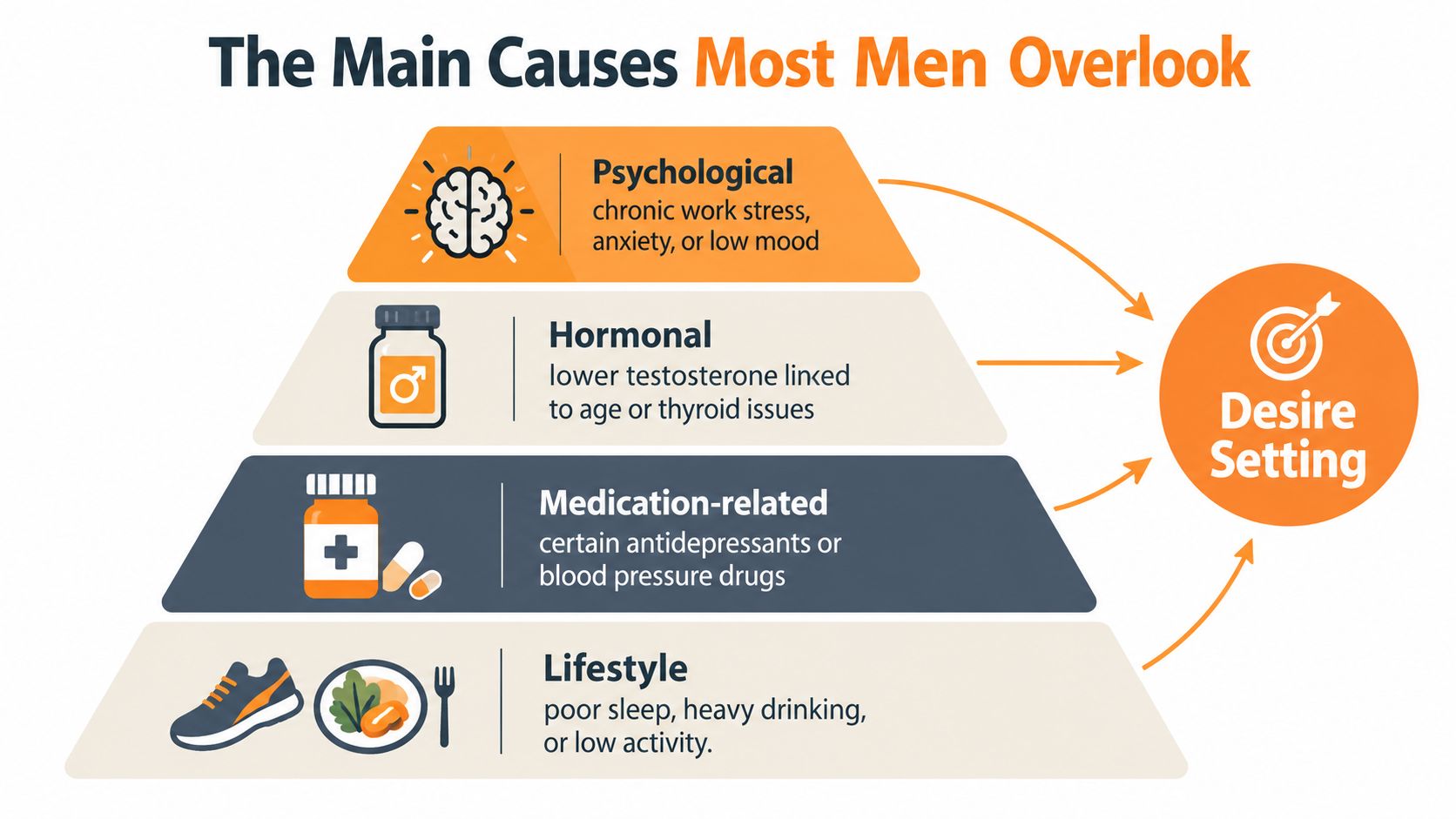
Four broad buckets account for much of the clinical reasoning around male loss of libido: psychological, hormonal, medication-related, and lifestyle or physiological. These categories overlap. Chronic stress can disturb sleep, poor sleep can affect mood, and a medication can worsen both fatigue and sexual interest.
Psychological contributors
Depression can reduce pleasure generally, not only sexual desire. Anxiety may keep attention focused on failure, judgment, or performance rather than intimacy. A man who has experienced erection difficulty may begin avoiding sexual situations because he expects another disappointing encounter. Relationship distance, unresolved conflict, grief, and chronic work pressure can produce a similar effect.
A situational pattern is especially informative. Desire that remains present during fantasy or masturbation but disappears with a partner may point toward performance anxiety, relationship strain, or a learned fear response rather than a simple hormone deficiency.
Hormonal and physical contributors
Testosterone participates in sexual desire, but the body regulates it through a larger hypothalamic-pituitary-gonadal system. Sleep disruption, excess adiposity, chronic disease, endocrine disorders, and certain medicines can affect that system. Erectile or ejaculation problems can also reduce desire indirectly by making sexual activity feel stressful.
The Endocrine Society's testosterone therapy guidance emphasizes that low libido, fatigue, and mood changes are nonspecific. They can arise from obesity, opioid or corticosteroid exposure, sleep disorders, depression, relationship stress, or other medical conditions.
Medication-related changes
Medication review deserves its own place because a timing clue can be highly useful. Opioids and systemic corticosteroids may contribute to low testosterone and sexual symptoms. Antidepressants, antipsychotics, some blood-pressure medicines, finasteride, dutasteride, and prostate-cancer hormone treatments may also affect desire or sexual function.
A medicine shouldn't be stopped abruptly. The prescribing clinician can review timing, dose, alternatives, and whether another health issue appeared at the same time.
Lifestyle and physiology
Poor sleep, sleep-disordered breathing, heavy alcohol use, recreational drugs, low activity, excess weight, and cardiometabolic disease can influence libido through mood, vascular, hormonal, and energy pathways. These contributors are often more actionable than men expect. Improving sleep or reviewing alcohol use won't answer every case, but it can remove a meaningful brake on desire.
The useful reframing is simple: the symptom doesn't mean something is permanently wrong. It may identify a factor that needs assessment, adjustment, treatment, or support.
Men researching sexual wellness may also encounter discussions of zinc deficiency symptoms in men. Nutritional information can be useful, but an ingredient discussion shouldn't replace an evaluation of persistent or distressing libido loss.
How to Gauge How Serious It Really Is
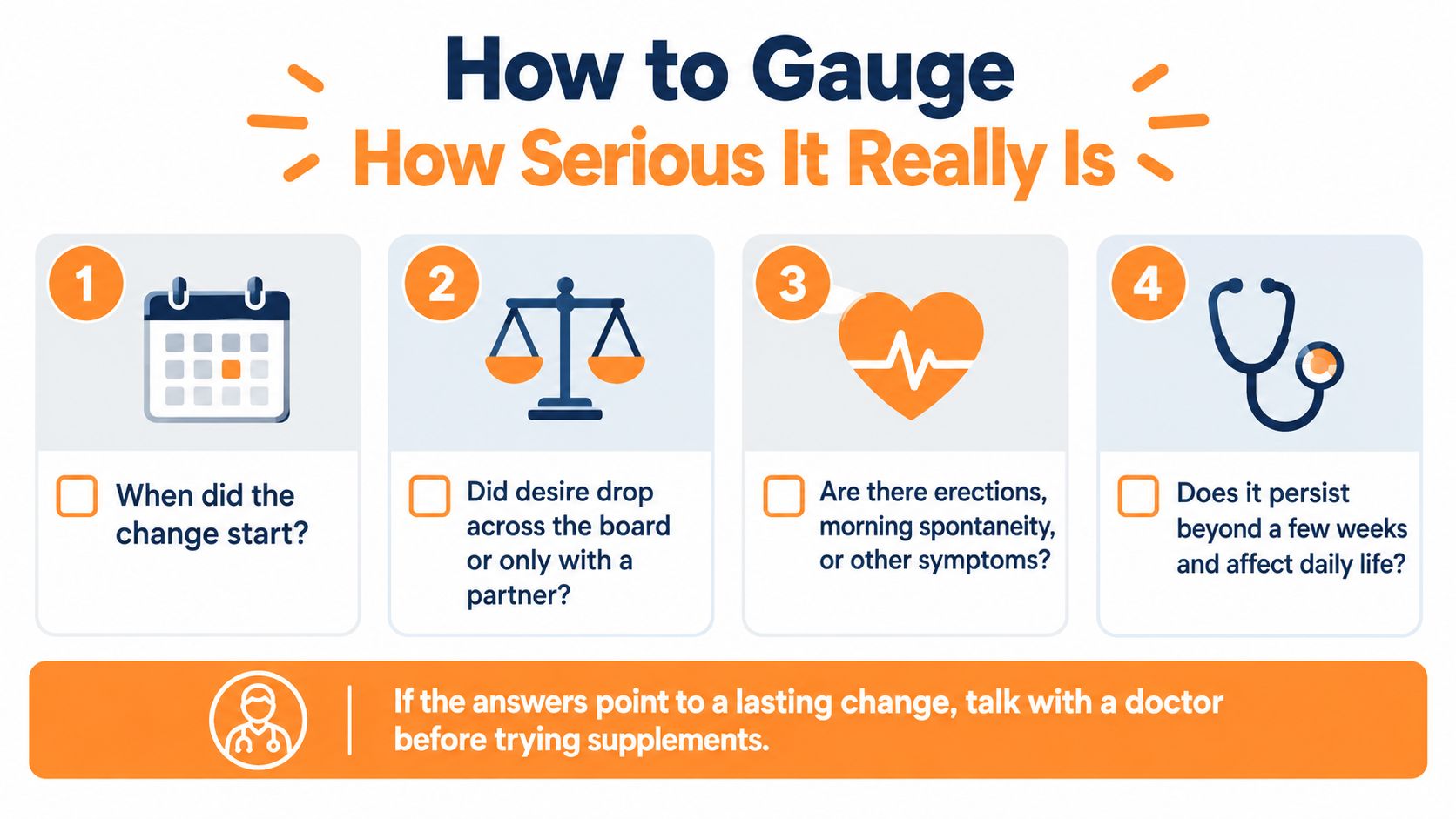
A practical self-assessment starts with chronology. A man doesn't need a perfect diary, but he should identify roughly when the change began and what happened around that time. A new prescription, illness, bereavement, relationship conflict, sleep deterioration, weight change, or increase in alcohol use can provide important context.
Four lenses for self-location
The first lens is onset. A rapid change deserves attention to recent events and medication changes. A gradual decline may fit aging, health burden, reduced activity, chronic stress, or a slow relationship shift, but gradual doesn't mean insignificant.
The second lens is situation. Desire that has fallen across partnered sex, masturbation, fantasies, and spontaneous interest is different from desire that remains available alone but disappears during partnered intimacy. The latter pattern can involve anxiety, conflict, shame, or fear of performance.
The third lens is accompanying sexual function. If erection or ejaculation difficulty appeared first, reduced desire may be a protective response to repeated frustration. If desire disappeared before any performance change, a clinician may explore mood, medications, sleep, endocrine factors, and general health.
The fourth lens is spontaneous interest. Morning or spontaneous sexual interest isn't a complete hormone test, but a change in that pattern can add useful context. A man should note whether sexual thoughts, fantasies, or unplanned arousal remain present.
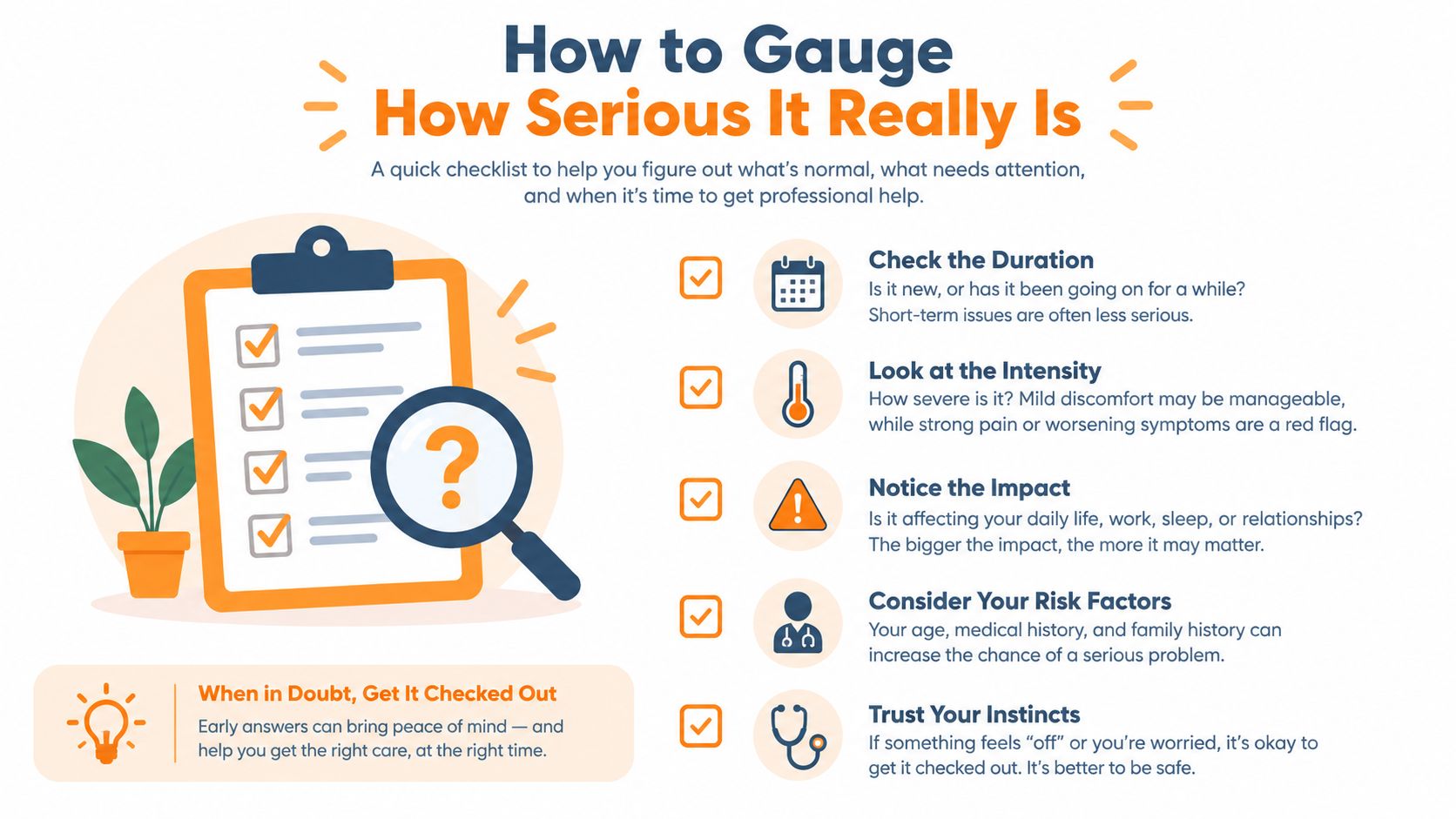
A clinician will usually want more than the phrase “low libido.” The UCSF overview of low libido emphasizes onset, severity, situational pattern, associated sexual problems, relationship context, psychological history, and medication use. A short written record covering those points can make an appointment more productive.
A lasting change should be evaluated for its cause, not covered up with a random supplement.
Men should seek medical guidance when the problem persists, causes distress, affects a relationship, follows a medication change, or appears with significant mood symptoms, pain, erectile changes, breast tissue changes, or other new health concerns. Information about male reproductive health issues may help organize questions, but online checklists cannot diagnose hypogonadism or another medical condition.
Lifestyle and Counseling Strategies That Actually Move the Needle
Lifestyle advice becomes more useful when each action is matched to a likely mechanism. Sleep, weight, alcohol, movement, and counseling don't have identical roles, and none should be presented as a universal libido cure.
Start with sleep and physical recovery
Sleep quality can affect mood, energy, sexual interest, and endocrine function. Men who snore heavily, wake unrefreshed, experience witnessed breathing pauses, or feel persistently sleepy should raise possible sleep apnea with a clinician. Addressing a sleep disorder is more targeted than just telling a tired man to “try harder” to feel desire.
Weight management can also matter when excess adiposity accompanies low energy, metabolic concerns, or suspected testosterone deficiency. The aim isn't a rapid transformation. Consistent food choices, regular movement, and medical support can address several overlapping contributors at once.
Compare the everyday levers
- Alcohol and recreational drugs: Reducing use can clarify whether intoxication, withdrawal, mood effects, or disrupted sleep is affecting desire. A clinician can help when stopping creates concern or difficulty.
- Movement: Regular moderate activity can support mood, circulation, energy, and confidence. Excessive training combined with inadequate recovery may create a different problem, so the target is sustainable activity rather than punishment.
- Stress regulation: Brief relaxation methods may help, but chronic overload often requires a broader change in workload, boundaries, sleep, or professional support.
- Nutrition: A balanced eating pattern supports general health. Supplements should address a plausible nutritional gap, not substitute for diagnosis.
Counseling can be first-line care when the main driver is psychological or relational. Cognitive-behavioral therapy can help a man challenge performance predictions and reduce avoidance. Couples therapy may help when desire is situational and conflict or emotional distance is central. Sex therapy can address ingrained expectations, shame, communication problems, and repetitive sexual scripts.
Lifestyle changes tend to be most useful when libido loss is recent, gradual, and connected to stress, sleep, weight, or substance use. Long-standing, generalized, unexplained loss deserves a clinical assessment even when healthy habits are already strong.
What the Research Says About Maca, Ashwagandha, and Ginseng
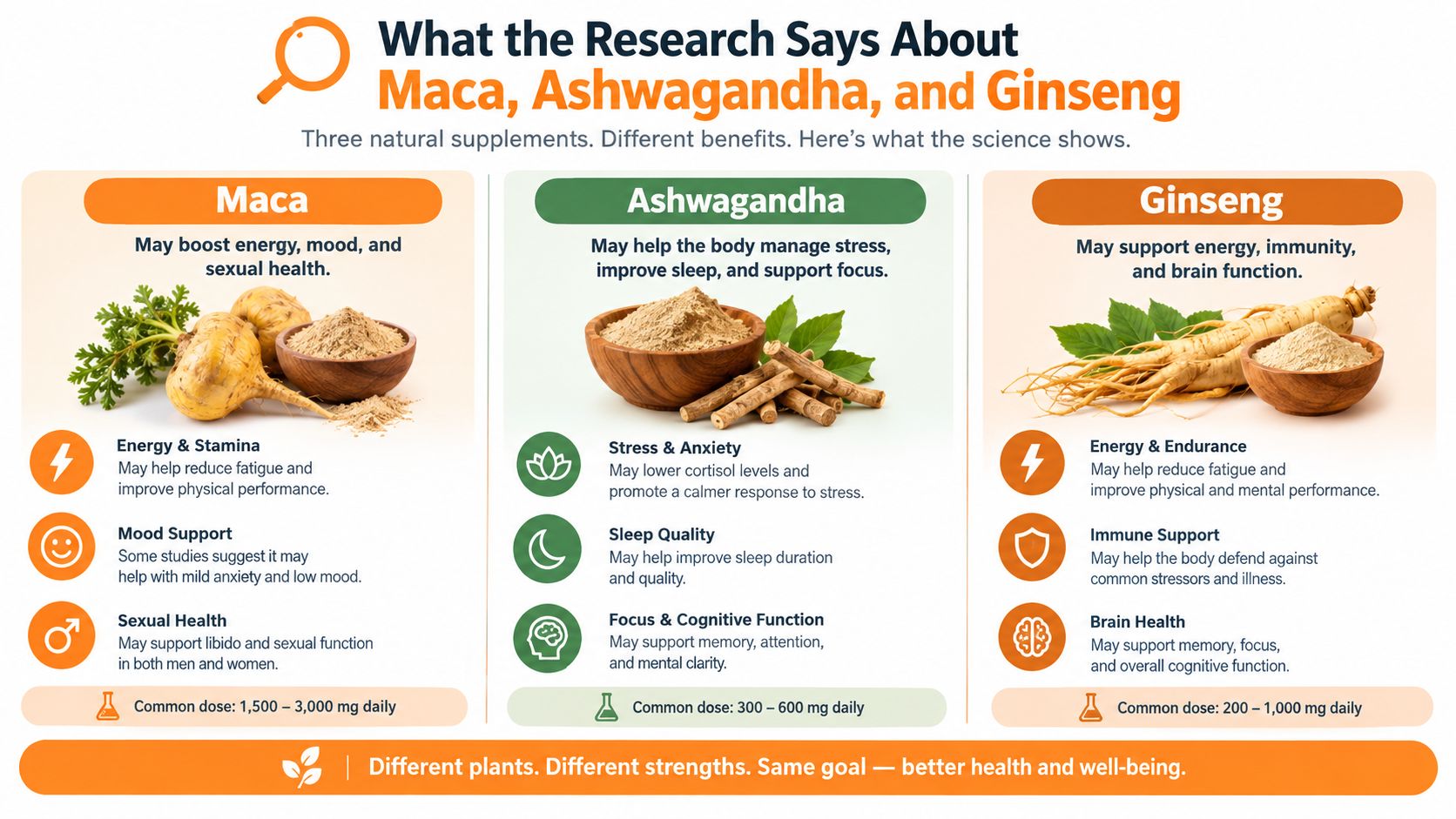
Herbal ingredients are often discussed as if they all act like testosterone. They don't. Each has a different proposed structure or function, and evidence can vary by extract, preparation, dose, study population, and outcome.
Maca root is commonly studied in relation to sexual desire, mood, and general vitality. Some research has explored libido outcomes without showing that maca consistently raises testosterone. A reasonable expectation is ingredient-level support that may differ between individuals, not treatment for confirmed hypogonadism.
Ashwagandha is traditionally used in stress and vitality contexts. Research has examined stress-related outcomes, sleep, exercise recovery, and aspects of male reproductive function. Its most relevant fit may be a man whose low interest appears alongside stress or poor recovery, but that doesn't establish it as a treatment for a diagnosed cause of libido loss.
Panax ginseng is associated with traditional vitality practices and has been studied in sexual function and blood-flow-related contexts. Its proposed relevance includes vascular support and energy, but study findings depend on the specific preparation. It shouldn't be treated as a substitute for evaluating erectile symptoms or cardiovascular risk.
Matching ingredients to the question
Tongkat Ali is commonly positioned around vitality, stress resilience, and hormonal environment. Evidence remains dependent on extract quality and study design, so a label claim cannot establish that it will correct a man's low testosterone or low desire.
Saw palmetto is more closely associated with prostate and androgen-metabolism discussions than with a direct libido effect. Men taking it should still consider the wider medication and health context, especially if sexual symptoms began after changing products.
Horny goat weed is traditionally linked with sexual vitality and is often discussed in relation to blood flow. Human evidence is limited and product quality varies. Men with erection changes shouldn't use it to avoid evaluating vascular, medication, or psychological causes.
Supporting nutrients also need precise framing. Zinc plays roles in normal nutrition and reproductive function, especially when intake is inadequate, but more isn't automatically better. L-arginine is an amino acid involved in nitric oxide pathways and blood flow. That mechanism doesn't prove it will restore desire, particularly when the primary issue is depression, relationship distress, or hormone deficiency.
The safest approach is to match an ingredient to a plausible goal, check interactions and medical conditions with a clinician, and avoid products promising to diagnose or correct male loss of libido. Ingredients may support general wellness, but they aren't a replacement for morning hormone testing or a medication review when those are indicated.
Your First 30 Days and When to See a Clinician
A structured month can produce better information than repeated guesswork. The first priority is observation, not self-diagnosis.
A practical starting plan
- Track the pattern: Record whether desire is global or situational, whether the change was sudden or gradual, and whether erections, ejaculation, morning interest, mood, sleep, or pain changed alongside it.
- Review medicines safely: Make a list of prescriptions, over-the-counter products, and supplements, then discuss timing and alternatives with the prescribing clinician. No medication should be stopped independently.
- Choose one sleep action: A consistent sleep routine, evaluation for possible sleep apnea, or a conversation about persistent insomnia gives the plan a measurable focus.
- Choose one movement action: Sustainable walking, resistance training, or another appropriate activity can support energy and mood without turning recovery into another source of stress.
- Clarify the main goal: Desire, erections, fertility, energy, and relationship intimacy are related but not interchangeable outcomes.
Men considering testosterone need objective testing. The Endocrine Society recommends compatible symptoms plus consistently and unequivocally low testosterone, generally beginning with two early-morning, fasting total-testosterone measurements on separate days. When total testosterone is near the lower assay range or sex-hormone-binding globulin may be altered, free testosterone may add context. The American Academy of Family Physicians summary also describes diagnosis using symptoms plus low total testosterone documented on at least two occasions, while the American Urological Association uses below 300 ng/dL with signs or symptoms in the erectile-dysfunction context.
Fertility requires special care. FDA information explains that testosterone products are approved for men with low testosterone associated with an underlying medical condition, not nonspecific symptoms, and that large doses of external androgens can suppress sperm production. Men trying to conceive should discuss that goal before testosterone, hormone clinics, or “boosters.” Libido and sperm production are connected, but they aren't the same outcome.
A clinician should be contacted promptly for sudden loss, severe mood change, breast tissue changes, pain, a new medication followed by symptoms, or persistent distress. In this context, SEMEX is a dietary supplement option discussed separately from medical evaluation and isn't a treatment for male loss of libido.
These statements have not been evaluated by the Food and Drug Administration. This product is not intended to diagnose, treat, cure, or prevent any disease.
SEMEX offers ingredient-based men's wellness support for men evaluating options alongside sleep, stress, relationship, and medical factors. Men who want to review its formula and intended use can visit SEMEX and discuss suitability with a qualified clinician, especially when fertility or ongoing symptoms are concerns.