

8 Foods That Increase Ejaculate Naturally
The most popular advice about foods that increase ejaculate usually promises more certainty than the evidence allows. No single meal guarantees a measurable increase in semen volume, and a larger ejaculate doesn't automatically mean better sperm count, motility, fertility, sexual function, or taste. Diet can support hydration, nutrient adequacy, vascular function, and general reproductive wellness, but those are related outcomes, not interchangeable ones.
The distinction matters. Semen volume describes the amount of fluid released. Semen quality includes characteristics such as sperm movement and morphology. Sexual function involves arousal, erection, and ejaculation, while taste is a separate consumer concern with limited direct human evidence. The eight options below are therefore organized by the biological role they may support, not by promises of rapid results.
Portion guidance is practical rather than a guarantee. Food allergies, medications, dietary restrictions, kidney or cardiovascular conditions, and individual nutrient status can change what's appropriate. Persistent changes in ejaculate volume, painful ejaculation, blood in semen, urinary symptoms, or difficulty conceiving warrant professional medical advice.
SEMEX can be considered only as an optional dietary supplement. Its ingredients should be evaluated individually, and no product should be treated as a cure or treatment. The required FDA disclaimer appears at the end.
Table of Contents
- 1. Zinc-Rich Foods, Oysters, Pumpkin Seeds, and Beef
- 2. L-Arginine-Rich Foods, Watermelon, Nuts, and Legumes
- 3. Bromelain-Rich Pineapple, Fresh, Frozen, and Juice
- 4. Sunflower Lecithin, Seeds, Oil, and Plant-Based Forms
- 5. Maca Root, Powder, Capsules, and Whole-Root Forms
- 6. Dark Chocolate and Cacao, Phenylethylamine and Antioxidants
- 7. Panax Ginseng and Adaptogenic Roots, Energy and Sexual Function
- 8. Hydration and Electrolyte Balance, Water, Coconut Water, and Mineral-Rich Beverages
- 8-Item Comparison: Foods That May Increase Ejaculate
- Build a Consistent, Safer Nutrition Routine
1. Zinc-Rich Foods, Oysters, Pumpkin Seeds, and Beef
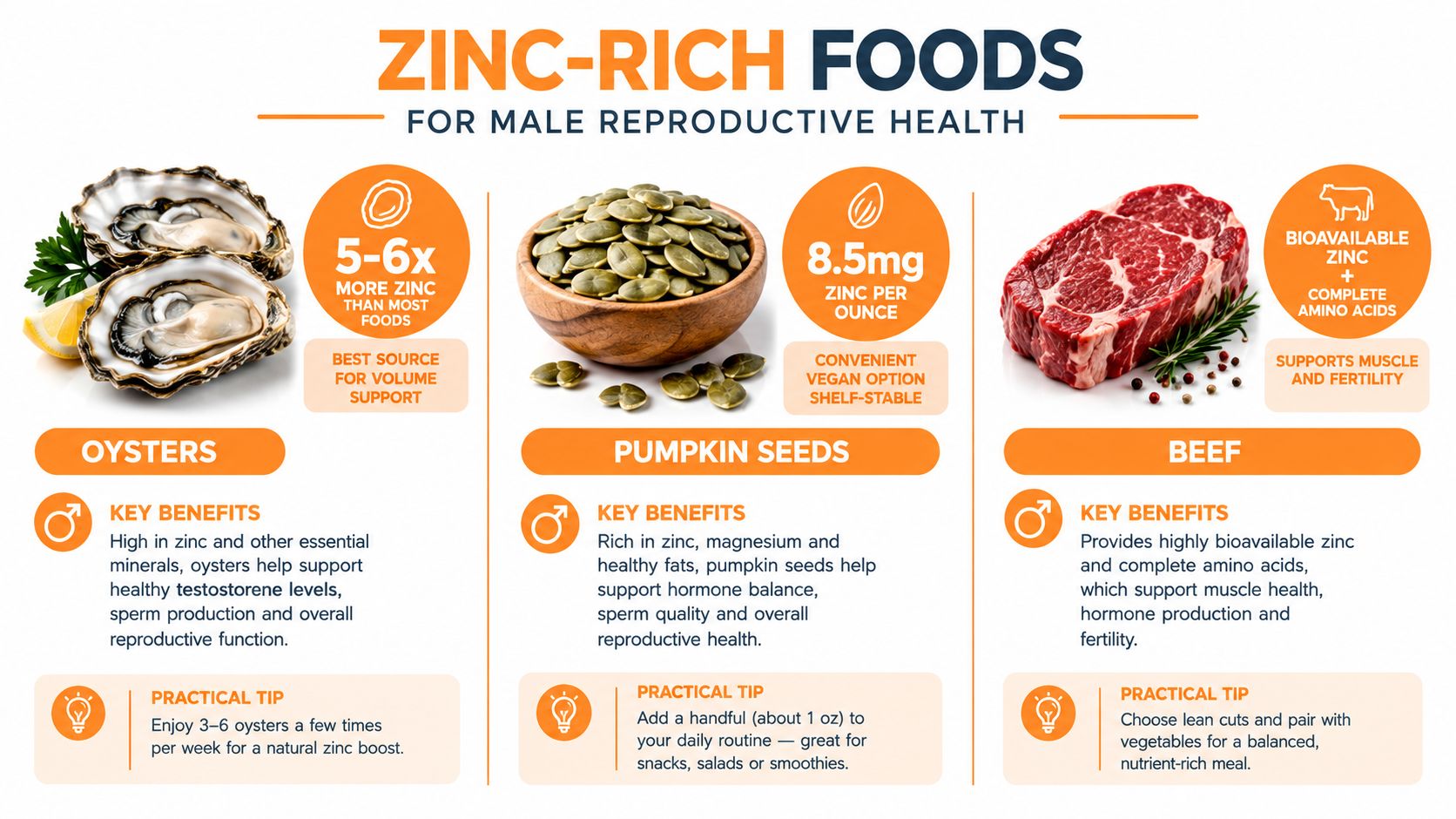
Zinc is one of the more relevant nutrients for male reproductive biology, but the strongest conclusion is about adequacy, not unlimited supplementation. A systematic review and meta-analysis found that zinc supplementation was associated with increased semen volume in infertile men, with an effect size of SMD -0.99 and a 95% confidence interval of -1.60 to -0.38. The same analysis reported improvements in sperm motility and normal sperm morphology, while also noting lower seminal-plasma zinc levels in infertile men than in normal males. The findings are detailed in the systematic review of zinc and semen parameters.
Oysters, pumpkin seeds, and lean beef offer different ways to build zinc into regular meals. Oysters suit an occasional dinner, pumpkin seeds work in salads or yogurt, and beef supplies zinc alongside protein. Combining zinc-containing foods with tomatoes or citrus can create a nutrient-dense meal, although it shouldn't be presented as a guaranteed absorption enhancer.
Food-first use is more defensible
Pumpkin seeds can be sprinkled over oatmeal, blended into a smoothie bowl, or added to a grain salad. Oysters should be properly sourced and cooked when foodborne illness is a concern. Lean beef can fit into a varied eating pattern, but repeated large portions aren't necessary just because zinc matters.
Practical rule: Consistent food intake is safer than sporadic high-dose zinc products. Excess zinc can cause adverse effects and may interfere with other minerals, so concentrated supplementation deserves professional guidance.
The evidence doesn't show that every man with adequate zinc will experience more ejaculate. It supports a narrower editorial conclusion: zinc-rich foods are reasonable foundations for normal reproductive nutrition, especially when intake is poor. Readers comparing ingredients can review how zinc relates to ejaculation, while keeping the distinction between an ingredient's biological role and a product claim clear.
2. L-Arginine-Rich Foods, Watermelon, Nuts, and Legumes
L-arginine belongs in this list because of its relationship with nitric oxide production, not because watermelon or nuts guarantee a larger ejaculation. The NIH Office of Dietary Supplements fact sheet explains that L-arginine provides the nitrogen the body uses to produce nitric oxide. That mechanism makes arginine relevant to blood-flow physiology, which may influence erectile function and sexual response, but it doesn't establish a direct, reliable increase in semen volume.
Watermelon contributes citrulline, which the body can convert into arginine. Almonds, walnuts, chickpeas, and lentils provide arginine alongside fats, fiber, or plant protein. A practical lunch might combine hummus with whole-grain bread and vegetables, while a lentil soup can serve as a repeatable dinner rather than a one-time “performance food.”
Build the meal around circulation and nourishment
A handful of nuts can be paired with fruit. Chickpeas can become hummus with controlled salt and oil, and lentils can be combined with whole grains for a more complete protein pattern. Watermelon works well fresh or blended, particularly when someone wants a hydrating snack without turning the food into a supplement-like ritual.
The human evidence remains limited and heterogeneous. One indexed clinical report observed ejaculate volume increasing from 2.2 ± 0.52 mL to 3.15 ± 0.84 mL after L-arginine treatment, but that result isn't a universal benchmark and shouldn't be transferred directly to watermelon, almonds, or lentils. Animal studies involving rams and boars also provide mechanistic context, not proof of the same outcome in humans. The review of L-arginine and semen-related evidence reflects those boundaries.
Better blood-flow support may help sexual function, but sexual function and semen volume remain separate measurements.
Anyone taking blood-pressure medication or using other products that affect circulation should ask a clinician or pharmacist before using concentrated arginine supplements. Food portions are generally easier to integrate safely, particularly when the objective is a balanced diet rather than an aggressive dosing experiment. A focused explanation of nitric oxide and blood flow can help separate pathway biology from bedroom marketing.
3. Bromelain-Rich Pineapple, Fresh, Frozen, and Juice
Pineapple is often promoted as a way to change semen taste, but the evidence supplied here doesn't establish a reliable taste effect in humans. Bromelain is an enzyme found in pineapple, and it has been studied for roles related to protein digestion and metabolism. That makes pineapple a reasonable food to discuss under enzymes, but not a proven method for increasing ejaculate volume or changing bodily-fluid flavor.
Fresh pineapple offers fiber and a whole-food structure. Frozen chunks can work in smoothies, while juice is more convenient but generally provides less fiber than the intact fruit. The pineapple core is firmer and can be blended if a high-powered blender handles it comfortably, though no verified evidence here supports the claim that consuming the core produces a stronger semen-related result.
Use the fruit, not a promise
A person might add pineapple to breakfast, blend frozen pieces with yogurt, or serve fresh slices with a meal. Acidic foods can irritate the mouth or affect tooth enamel, so rinsing with water afterward is sensible. People with pineapple allergies or oral sensitivity should avoid it, and anyone with digestive discomfort should reduce or stop intake.
The proposed connection between bromelain and taste remains an ingredient-level hypothesis rather than a settled outcome. The discussion of bromelain's enzyme-related benefits can provide additional context, but it shouldn't be read as evidence that fresh pineapple reliably increases ejaculate or transforms taste.
Pineapple is a nutritious fruit choice. It isn't a substitute for medical evaluation, and it can't compensate for dehydration, medication effects, or an underlying reproductive issue.
For consumers, the most defensible approach is simple. Choose whole or frozen pineapple when fiber matters, treat juice as a smaller part of the diet, and avoid rigid schedules such as consuming a fixed amount for a fixed number of days unless a qualified professional has given a specific reason. No validated portion or timing protocol appears in the evidence provided.
4. Sunflower Lecithin, Seeds, Oil, and Plant-Based Forms
Sunflower lecithin is a phospholipid, which makes it relevant to cell membranes and the composition of bodily fluids. However, the supplied evidence does not establish that sunflower seeds, sunflower oil, or lecithin reliably increase semen volume or thickness. That limitation matters because consumer content often turns a plausible biochemical role into a promised visible result.
Sunflower seeds can provide a convenient snack, and sunflower seed butter works on whole-grain toast or in a smoothie. Extracted lecithin powder can be stirred into oatmeal, but supplement labels vary, so the product's serving instructions and full ingredient list should be checked. A food-first pattern also supplies other nutrients that isolated lecithin does not necessarily provide.
Choose consistency over concentrated claims
A trail mix can combine sunflower seeds with fruit and unsweetened nuts. Light roasting may improve taste, while cool, dry storage helps preserve freshness. Anyone with a seed allergy should avoid sunflower products, and people managing calorie intake should remember that seeds and seed butters are energy-dense foods.
Hydration remains relevant to the overall consistency of bodily fluids, but pairing lecithin with extra water hasn't been shown to create a specific semen-volume effect. Likewise, a proposed four-to-six-week trial is not a verified clinical protocol. It's more responsible to observe general tolerance and dietary fit than to promise a timetable.
The useful conclusion is narrower than the marketing language. Lecithin can be discussed as a phospholipid source that supports general cell structure, while direct claims about semen thickness or volume require stronger, specific human evidence. This is also where consumers should separate a sunflower-lecithin ingredient from a finished supplement's broader formula. A product can contain an ingredient without proving that the product produces the ingredient's theoretical outcome.
5. Maca Root, Powder, Capsules, and Whole-Root Forms
Maca is better positioned as an optional vitality and sexual-wellness ingredient than as a food proven to increase ejaculate. Powder can be mixed into coffee, porridge, smoothies, protein shakes, or energy bites made with dates and nuts. Capsules offer convenience, but they're supplements, not ordinary foods, and their concentration can differ substantially from culinary maca powder.
The supplied evidence doesn't provide a verified human statistic establishing that maca increases semen volume. It also doesn't justify claiming that maca balances hormones, improves fertility, or produces a predictable change in sexual satisfaction for every user. The most careful framing is that maca has been studied in connection with sexual function and general vitality, while the outcome depends on the person, preparation, and research design.
Start with tolerance and product quality
Maca has an earthy taste, so warm liquid, banana, or nut butter can make it easier to use. A cautious consumer can begin with a small culinary amount and assess digestive tolerance before increasing intake. Gelatinized maca may be easier for some people to digest, but “gelatinized” doesn't automatically mean more effective for semen volume.
Supplement sourcing deserves attention. Reputable products should provide clear labeling and quality controls, including information about testing where available. People with hormone-sensitive conditions, those taking medication, and anyone preparing for fertility evaluation should discuss concentrated botanical products with a healthcare professional.
Maca also illustrates why “foods that increase ejaculate” can become a misleading search phrase. A root may support a broader wellness goal without changing the amount of semen released. If the objective is confidence, energy, or sexual interest, those outcomes should be tracked separately from volume rather than treated as proof of a reproductive change.
6. Dark Chocolate and Cacao, Phenylethylamine and Antioxidants
Dark chocolate can support the pleasure of a nutritious routine, but it shouldn't be promoted as a direct semen-volume intervention. Cacao products contain flavonoid and polyphenol compounds, and dark chocolate can fit within a diet that supports cardiovascular wellness. Those associations make it relevant to general blood-flow and mood discussions, not proof that chocolate increases ejaculate.
A square or small serving of dark chocolate can be paired with almonds, walnuts, or sunflower seeds. Cacao powder can be stirred into unsweetened coffee, milk, or a smoothie, while cacao nibs add texture to oatmeal. Choosing a higher-cacao product can reduce reliance on heavily sweetened confectionery, although the label still matters because sugar and total energy content vary by product.
Keep the serving realistic
Chocolate is easy to overeat because it combines fat, sweetness, and reward. A smaller portion works better as an addition to a meal pattern than as a daily performance ritual. People sensitive to caffeine-like compounds, prone to reflux, or managing blood sugar should account for the product's composition and personal response.
The claims around phenylethylamine and dopamine precursors are often presented as if they guarantee arousal. They don't. Mood, desire, erection, ejaculation, and semen volume involve different systems, and a pleasant food experience shouldn't be confused with a measurable reproductive outcome.
Cacao can make a balanced routine more enjoyable. Enjoyment is valuable, but it isn't a semen analysis.
Dark chocolate therefore earns a place as an optional antioxidant-rich food, not as one of the most reliable foods that increase ejaculate. It works best alongside legumes, fruit, vegetables, whole grains, and adequate fluids. It shouldn't displace more nutrient-dense meals or become a justification for high sugar intake.
7. Panax Ginseng and Adaptogenic Roots, Energy and Sexual Function
Panax ginseng belongs in the supplement and botanical category, not beside ordinary foods as if it had the same evidence base. Tea, sliced root, powder, and extracts all differ in concentration and preparation. Red ginseng is commonly discussed in sexual-wellness contexts, but the supplied evidence doesn't establish a dependable increase in semen volume or authorize claims that ginseng treats infertility or any other condition.
The proposed relevance is broader. Ginseng is studied in relation to energy, sexual function, blood flow, and stress response. Those areas may matter to a person's overall sexual experience, but they don't produce a direct equation between ginseng intake and ejaculate volume. A change in erection quality, mood, or stamina would still be a different outcome from a change in semen quantity.
Treat botanicals as active ingredients
Ginseng tea can be used earlier in the day if it feels stimulating. Extracts should be taken only according to the label, and stacking ginseng with high caffeine intake can increase unwanted stimulation for some people. Medication interactions are a serious consideration, particularly with products that affect blood pressure, blood sugar, clotting, or sleep.
A person considering ginseng should also check the ingredient panel for blends. “Adaptogenic” is a broad marketing term, not a guarantee of safety or effect. Third-party testing can help with identity and contamination controls, but it doesn't prove that a product changes semen volume.
This category highlights a key analytical distinction. A botanical may be relevant to vitality while remaining unsupported as one of the foods that increase ejaculate. Consumers should decide which outcome they want to support, then assess the ingredient against evidence for that outcome rather than accepting a general sexual-health label.
8. Hydration and Electrolyte Balance, Water, Coconut Water, and Mineral-Rich Beverages
Hydration is the most straightforward foundational factor on this list, but forcing fluids still won't guarantee more semen. Semen contains a large fluid component, and dehydration can affect normal body functions, yet the amount released also varies with individual biology, ejaculation timing, illness, medication, and other factors. The practical goal is regular hydration, not an extreme intake target.
Water should usually be the default. Coconut water can provide electrolytes after exercise or in hot conditions, while mineral-rich beverages may suit people who lose more fluid through sweating. These drinks aren't automatically superior to water, and sweetened versions can add unnecessary sugar. Medical conditions affecting the heart, kidneys, or fluid balance require individualized advice.
Use body signals instead of rigid quotas
A person can drink steadily across the day and increase intake when heat or exercise raises fluid loss. Urine color may offer a rough personal cue, but it isn't a diagnostic test. Alcohol can work against overall hydration and sexual wellness, while caffeine sensitivity varies by person.
The supplied material doesn't support a universal daily water prescription for increasing ejaculate. Claims such as drinking three or four liters, adding a fixed amount after exercise, or timing intake to avoid “dilution” shouldn't be treated as verified semen-volume protocols. Excessive fluid intake can be unsafe, so more isn't automatically better.
Adequate hydration supports normal physiology. It doesn't manufacture semen on demand.
The most useful role for water is preventive and foundational. A person who routinely neglects fluids may benefit from a consistent routine, but persistent low volume after normal hydration needs a broader assessment. Hydration belongs at the base of the plan, not at the center of a promise.
8-Item Comparison: Foods That May Increase Ejaculate
| Item | Implementation complexity | Resource requirements | Expected outcomes | Ideal use cases | Key advantages |
|---|---|---|---|---|---|
| Zinc-Rich Foods (Oysters, Pumpkin Seeds, Beef) | Low–Medium: incorporate into meals or snacks regularly | Moderate: access to shellfish, quality beef or seeds; variable cost | Improved zinc status; supports spermatogenesis and semen volume over weeks | Men with low dietary zinc or fertility focus seeking whole-food sources | Bioavailable zinc from whole foods; multiple options for diet preferences |
| L-Arginine Foods (Watermelon, Nuts, Legumes) | Low: add fruits, nuts, legumes to daily diet | Low–Moderate: seasonal produce and staple pantry items | Enhanced nitric oxide production and blood flow; modest effects require sustained intake | Circulation/erectile support, plant-based diets, post-workout recovery | Supports vascular health and satiety; versatile plant sources |
| Bromelain-Rich Pineapple (Fresh, Frozen, Juice) | Low: consume fresh or frozen shortly after cutting | Low: fresh/frozen pineapple or juice; seasonal availability | May aid protein digestion and alter taste profile; effects can be temporary | Those targeting seminal taste/profile or digestive enzyme support | Pleasant flavor, vitamin C content, convenient frozen options |
| Sunflower Lecithin (Seeds, Oil, Extracts) | Low: eat seeds or mix lecithin powder/supplement daily | Low–Moderate: seeds or concentrated supplements; shelf-stable | May improve semen viscosity/appearance over weeks; variable individual response | Vegans/non-GMO preference, targeting semen consistency | Plant-based phospholipids, adds vitamin E/selenium, multiple intake forms |
| Maca Root (Powder, Capsules, Whole) | Low–Medium: daily dosing with attention to product quality | Moderate: reputable powders or capsules; cost varies | Potential support for libido, energy, and sexual satisfaction after 4–6 weeks | Men seeking hormonal balance, energy and libido support | Traditional use with versatile forms; generally well tolerated |
| Dark Chocolate & Cacao (70%+) | Very Low: consume in controlled portions | Low: high-cacao bars or raw cacao powder; choose quality | Modest mood and vascular benefits that may aid arousal and circulation | Those wanting pleasurable, compliance-friendly cardiovascular support | Enjoyable source of flavonoids, antioxidants, and magnesium |
| Panax Ginseng & Adaptogens | Medium: regular dosing, timing and monitoring for interactions | Moderate–High: standardized extracts or quality root; cost higher | May improve erectile function, stamina and stress resilience after 4–8 weeks | Stress-related sexual dysfunction, low energy or stamina issues | Researched adaptogen for sexual function and stress modulation |
| Hydration & Electrolytes (Water, Coconut Water) | Very Low: consistent fluid and electrolyte intake throughout day | Minimal: water, coconut water, or mineral beverages; inexpensive | Rapid improvement in semen volume and consistency within days | Foundational strategy for all men, especially active or hot environments | Fast-acting, accessible, broad systemic health benefits |
Build a Consistent, Safer Nutrition Routine
The evidence supports a routine, not a miracle menu. Regular hydration, zinc-rich foods, legumes or nuts, varied fruit and vegetables, and minimally processed meals offer a more credible foundation than chasing a single food marketed as one of the foods that increase ejaculate. Zinc has the clearest ingredient-level reproductive evidence in the supplied material, but even zinc research is mixed across semen parameters and fertility outcomes.
A practical week could rotate oysters, pumpkin seeds, or lean beef with chickpeas and lentils. Watermelon, nuts, and whole grains can support a varied meal pattern, while fresh pineapple can be included as fruit rather than treated as a guaranteed taste intervention. Cacao, maca, ginseng, and sunflower lecithin may be optional additions, but their roles should remain separate from claims about semen volume.
Safety depends on dose and context. Food allergies, medication interactions, dietary restrictions, kidney or cardiovascular conditions, and existing nutrient status all matter. Concentrated zinc, arginine, ginseng, maca, or lecithin products shouldn't be combined casually, and excessive fluid intake can be harmful. A pharmacist or clinician can review supplements more effectively when given the complete product label and a list of current medications.
SEMEX may be considered as a dietary supplement containing zinc, L-arginine, sunflower lecithin, bromelain, maca root, Panax ginseng, and other men's wellness ingredients. Its inclusion doesn't change the evidence boundaries for those ingredients, and it should not be described as diagnosing, treating, curing, preventing, or fixing any condition. Current formula and product information should be checked directly at SEMEX.
Persistent low volume, painful or dry ejaculation, blood in semen, urinary symptoms, or difficulty conceiving deserves professional evaluation rather than continued food experimentation. Semen volume alone cannot establish fertility status, and a clinician can decide whether testing is appropriate. The safest nutrition strategy is consistent, moderate, and transparent about what remains uncertain.
These statements have not been evaluated by the Food and Drug Administration. This product is not intended to diagnose, treat, cure, or prevent any disease.
SEMEX offers a daily dietary supplement built around ingredients discussed in this article, including zinc, L-arginine, sunflower lecithin, and bromelain, alongside a broader men's wellness blend. Men evaluating supplement options for semen volume and taste can review the current formula and product details by visiting SEMEX.