

Dirty Text Sex: How to Sext Consensually and Confidently
The phone is already in hand. One partner has typed, deleted, and retyped the same opening line until a simple “thinking about you” feels like a high-stakes audition. The other partner may be interested too, but neither wants to be the person who makes the exchange uncomfortable.
Dirty text sex works best when safety comes before performance. Consent, privacy, timing, tone, and curiosity create the conditions for heat. Clever lines help, but they're not the foundation. The most satisfying exchanges sound like two specific people paying attention to each other, not actors reciting borrowed scripts.
Table of Contents
- Why Dirty Text Sex Feels Awkward at First
- Consent and Boundaries Before the First Message
- How to Start a Sext Without Overthinking
- Tone, Language, and Pacing That Actually Land
- Do and Don't Examples From Real Scenarios
- Privacy and Digital Safety Habits That Matter
- Putting It All Together in a Real Moment
Why Dirty Text Sex Feels Awkward at First
A person can be confident in person and still freeze over a blank message box. The fear usually has several layers: sounding cringe, coming on too strongly, choosing the wrong moment, or remembering a past joke that landed badly. Some people also carry the cultural idea that wanting to be desired requires an apology, especially when they're expected to be seductive without appearing too eager.
That pressure turns a conversation into a performance. Suddenly, the first message has to be witty, sexy, original, and perfectly calibrated. It doesn't. A first message only needs to make space for the other person to respond.
Practical rule: The opening line should invite a reply, not prove sexual talent.
A couple who has been together for years can still stumble here. One partner might send an unexpectedly bold sentence, while the other responds with a laughing emoji because they're distracted, nervous, or unsure how serious the message is. That response isn't automatically rejection. It's information, and the next move is to slow down and read the person rather than doubling down.
Sexting is a skill, not a personality test
Dirty texting is a form of communication. Like a flirty direct message, a toast, or a difficult conversation, it improves through attention and practice. The useful skill isn't producing the most shocking phrase. It's noticing what makes the specific partner relax, smile, answer quickly, or offer something back.
A first sexual experience can bring similar nerves, and practical preparation can help readers who are navigating that stage through these tips for having sex for the first time. The same principle applies here: awkwardness is a starting condition, not a verdict.
A gentler opening might be, “That look you gave me earlier is still distracting.” A more direct one might be, “The thought of you is making it very hard to focus.” Both give the other person room to match the energy. The rest of this guide replaces vague encouragement with specific moves that can be used tonight.
Consent and Boundaries Before the First Message
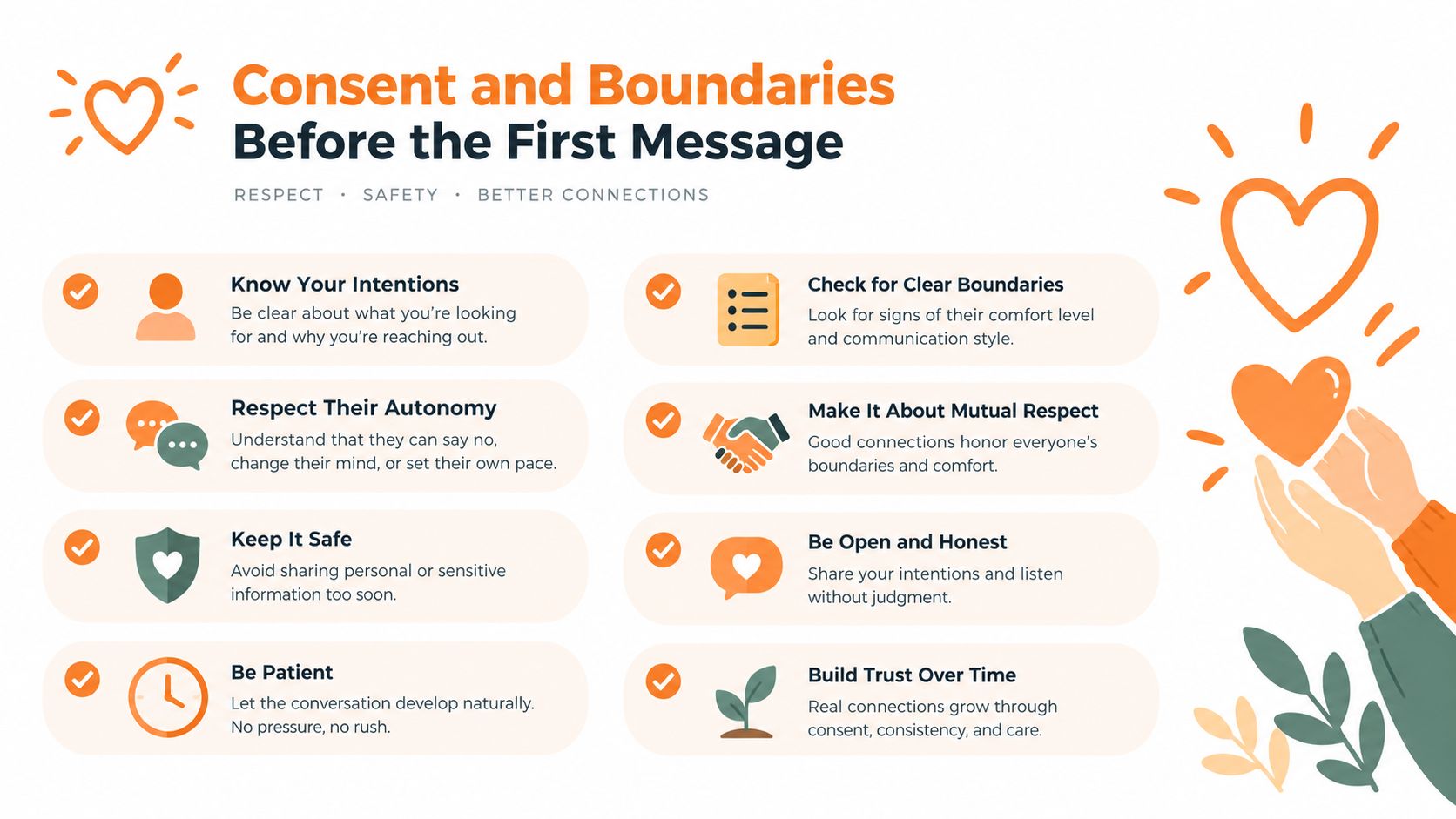
Consent makes dirty texting feel freer, not flatter. A short conversation before the exchange removes the guesswork that makes people tense, especially when one partner is more experienced or more direct.
That conversation can happen during an ordinary moment, not while one person is already waiting for an explicit reply. The agreement should cover four areas:
- Permission: Both people should clearly agree that dirty texting is welcome.
- Language: Each person can name words, themes, or scenarios that feel exciting, neutral, or off-limits.
- Media: Text, voice notes, photos, and video should be treated as separate choices. Agreeing to one doesn't automatically mean agreeing to the others.
- Stopping: Either person needs a simple way to pause or end the exchange without explaining, apologizing, or managing the other person's disappointment.
A useful agreement has three categories. Hard no's are not negotiable. Soft maybes can be revisited later, with no pressure to move them into the yes column. A simple word, emoji, or phrase can mean “tap out now,” while a gentler check-in such as “still good?” can confirm that the exchange remains welcome.
Why the safety conversation helps
Talking about limits doesn't destroy spontaneity. It works more like a safety net for a trapeze artist. The net doesn't make the swing less thrilling. It lets the performer commit to the movement because the consequences of a mistake aren't terrifying.
Research on relationship texting also supports a more nuanced view than the usual “sexting is good” or “sexting is bad” argument. The APA discussion of texting and relationships points toward the importance of context and frequency, rather than treating every digital sexual exchange as the same experience.
Consent continues throughout the conversation. A yes to dirty texting in general isn't permanent permission for every topic, image, or escalation. A partner who becomes quieter, changes the subject, gives shorter replies, or stops reciprocating may be signaling a need to pause. The respectful response is to check in, not demand reassurance.
How to Start a Sext Without Overthinking
The best opening usually grows out of something that already happened. A shared glance at dinner, a memory from the last date, or a private joke gives the message a real setting. That context feels more natural than a dramatic announcement such as “I have something to tell you.”
Timing matters. A partner at work, driving, rushing through an airport, or about to fall asleep may not have the attention or privacy for the exchange. A relaxed evening, a quiet break, or a conversation that has already turned affectionate offers a better runway.
Platform choice matters too, but no app can replace trust. iMessage may feel familiar, Signal can appeal to people who prioritize private messaging, WhatsApp may fit couples already using it daily, and Snapchat may feel casual for partners who understand its limits. Disappearing messages reduce some exposure, but they don't prevent screenshots, secondary-device photos, backups, or a recipient saving content. The platform should match the couple's privacy agreement, not create false confidence.
Open with a hook, not a script
A good first message gives the partner something specific to grab. It can be sweet, suggestive, playful, or direct:
- Sweet and suggestive: “That kiss goodbye is still distracting me.”
- Memory-based: “I keep thinking about the way you pulled me closer last night.”
- Playful: “A certain person owes me a rematch after that shower conversation.”
- Direct: “I want your attention tonight. Are you in the mood to flirt?”
Each line leaves room for a real answer. The last one checks availability without making desire feel like an obligation. If the reply is warm, the sender can continue. If it's brief or distracted, the sender can shift back to ordinary conversation without turning the moment into a referendum on attraction.
The first message only opens the door. Heat comes from the back and forth. A partner's reply supplies the next detail, and that detail should shape the following message. Copying a script may sound polished, but responding to what the other person says feels far more intimate.
Tone, Language, and Pacing That Actually Land
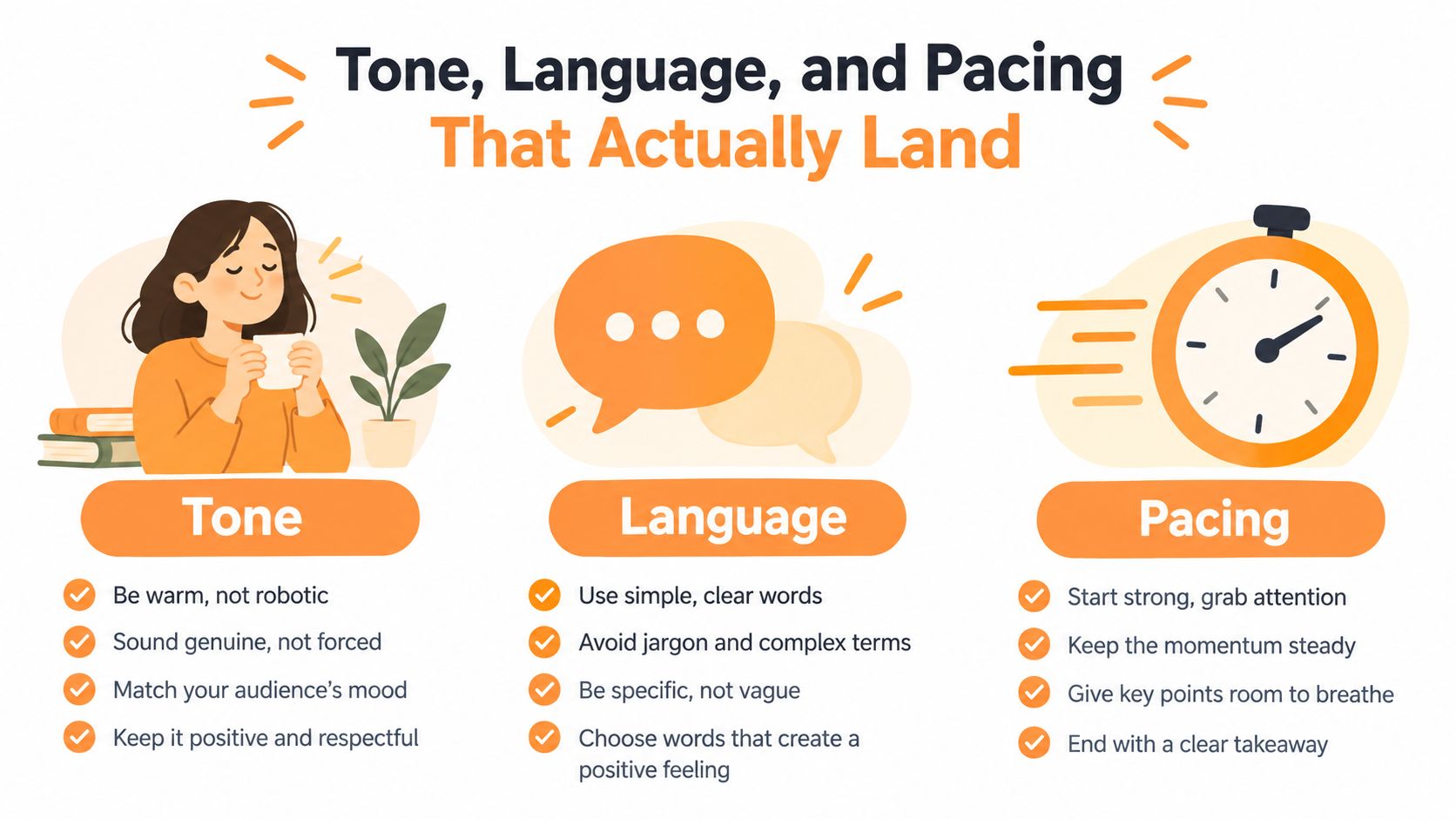
A message lands when it sounds like a bolder version of the sender's real voice. A naturally playful person may get better results from teasing than from sudden dominance. A quiet couple may prefer warmth and anticipation over graphic language. The goal isn't to sound like an online fantasy character. It's to sound recognizably like the person their partner already wants.
Specificity beats a long list of body parts. “I keep remembering the sound you made when I kissed your neck” creates a shared image. “You're so hot” is pleasant but generic. Sensation, memory, anticipation, and curiosity usually give the other person more to work with than anatomy alone.
Match the temperature
The first line sets the tone, but the partner's reply determines whether the exchange should become warmer. A short reply may still be enthusiastic if it includes a playful question or affectionate language. A long reply with detail usually signals more room to continue. A flat response, delayed answer, or topic change deserves a pause rather than an escalation.
Useful pacing habits include:
- Use present tense: “I'm thinking about your hands” feels immediate.
- Alternate lengths: A short suggestive line can create space before a fuller description.
- Mirror vocabulary: If a partner uses tender language, replying with aggressive phrasing may feel jarring.
- Ask inviting questions: “What would you do if you were here?” gives the partner control over the next beat.
- Escalate gradually: Move from memory to anticipation, then let the partner show whether they want more.
- Pull back cleanly: A playful change of subject is better than pushing through uncertainty.
“The hottest message is often the one that proves the sender was paying attention.”
Clinical wording can feel detached, while overly graphic language can feel borrowed. The strongest messages often focus on what the partner does to the sender, what the sender wants next, or what specific moment keeps replaying. A line such as “I want to hear that laugh when you realize what I'm planning” can create tension without forcing a level of explicitness that hasn't been established.
Pacing also includes the ending. A conversation doesn't need to continue until both people run out of words. Ending with “I'm saving that thought for later” can preserve anticipation. Ending because one partner feels tired, busy, or less engaged is equally valid. Good dirty text sex leaves both people feeling considered, not managed.
Do and Don't Examples From Real Scenarios
The difference between an awkward message and an inviting one often comes down to context. The examples below keep the same desire but change the pressure, specificity, and opportunity for response.
| Scenario | Don't | Do |
|---|---|---|
| Long-distance partners missing each other on a Tuesday night | “Send pics.” | “I'm missing the way you looked at me before you left. Want to trade one flirty thought about tonight?” |
| Newly dating partners testing chemistry | “I can't stop thinking about your body.” | “That kiss at the end of the date has been replaying in my head. What part of it stayed with you?” |
| Established couple rekindling a spark | “We need to have more sex.” | “The house is finally quiet, and there's a certain memory from our bedroom that keeps distracting me. Want to bring it back later?” |
The long-distance example replaces a demand with a choice. It also avoids assuming that a photo is wanted. A partner who prefers text can answer in words, while someone who wants to share an image can make that decision freely.
The newly dating example stays sensual without pretending to know the other person's comfort level. Asking what stayed with them invites them to set the pace. If they answer warmly, the exchange can become more direct. If they give a polite or vague reply, the sender has a natural exit.
Small wording changes create better openings
The established couple's example addresses desire without assigning blame. “We need to have more sex” sounds like a performance review. The revised version points to a shared memory and asks whether both people want to revisit it.
For partners who enjoy role-play, role-play ideas for the bedroom can provide prompts, but the same consent rules still apply. A fantasy works because both people choose the frame. It doesn't give either person permission to skip a boundary conversation.
The strongest “do” messages share three features: they reference something real, create room for a reply, and avoid treating silence as a challenge. That combination keeps the exchange playful even when the answer is “not tonight.”
Privacy and Digital Safety Habits That Matter
Digital hygiene belongs inside the erotic experience, not in a warning label at the bottom. Both partners relax more when they know where messages may appear, who might access a device, and what happens to explicit content later.
A practical baseline includes:
- Lock devices: Use a passcode and biometric lock, especially on phones that contain intimate conversations.
- Hide previews: Turn off lock-screen previews so a private line doesn't appear in public.
- Use timers carefully: Disappearing-message settings can reduce lingering content, but they aren't a substitute for trust.
- Review cloud settings: Avoid automatic cloud syncing of explicit images unless both partners understand the storage and access arrangements.
- Separate contexts: Shared tablets, work laptops, and public Wi-Fi create avoidable exposure. A private browser profile or dedicated messaging app can reduce accidental access.
Face-included images deserve an especially direct conversation. Some couples enjoy them, while others prefer content that doesn't identify the sender. Neither choice is automatically safer in every situation, so the decision belongs to the people involved.
A relationship ending also requires a digital plan. A shared deletion habit can cover saved images, message threads, downloads, and backups where practical. The agreement should apply even when feelings are hurt. Deleting private content isn't a favor. It's part of respecting the person who trusted the recipient with it.
Privacy principle: Desire feels more relaxed when both people know the boundaries around the record it leaves behind.
Putting It All Together in a Real Moment
On Saturday night, an established couple is watching television after dinner. One partner texts from the kitchen, “I keep thinking about earlier. Are you in the mood for a little flirting?” The other answers warmly, then adds, “Text is good, but no photos tonight.”
The first partner respects that boundary and starts with a shared memory instead of a sudden explicit demand. The replies become more suggestive, then more detailed, but one answer arrives softer than expected. Rather than escalating, the sender asks, “Still enjoying this?” The partner says they're tired but would like to continue another night, so the exchange ends with affection instead of pressure.
Before bed, both partners delete the thread they agreed not to keep and lock their phones. If a supplement is part of one partner's broader routine, SEMEX is a daily product formulated to support semen volume and taste, but it doesn't replace consent, communication, or privacy habits.
Confident dirty text sex isn't about producing perfect phrases. It's about reading a specific partner, respecting the answer, and protecting the private space both people helped create.
SEMEX offers a daily supplement formulated to support semen volume and taste as part of a broader men's wellness routine. Couples and individuals can learn more by visiting SEMEX and deciding whether it fits their goals.
These statements have not been evaluated by the Food and Drug Administration. This product is not intended to diagnose, treat, cure, or prevent any disease.